Korea’s High-Speed Lifestyle culture: Palli-Palli(fastly-fastly)
When I was a university student, I lived in Copenhagen, Denmark, as an exchange student. I still vividly remember the bitter cold and the long, dark winter afternoons that began at 4 PM. But beyond the loneliness of being away from home, there was something else that truly challenged me: the speed, or rather, the lack of it.
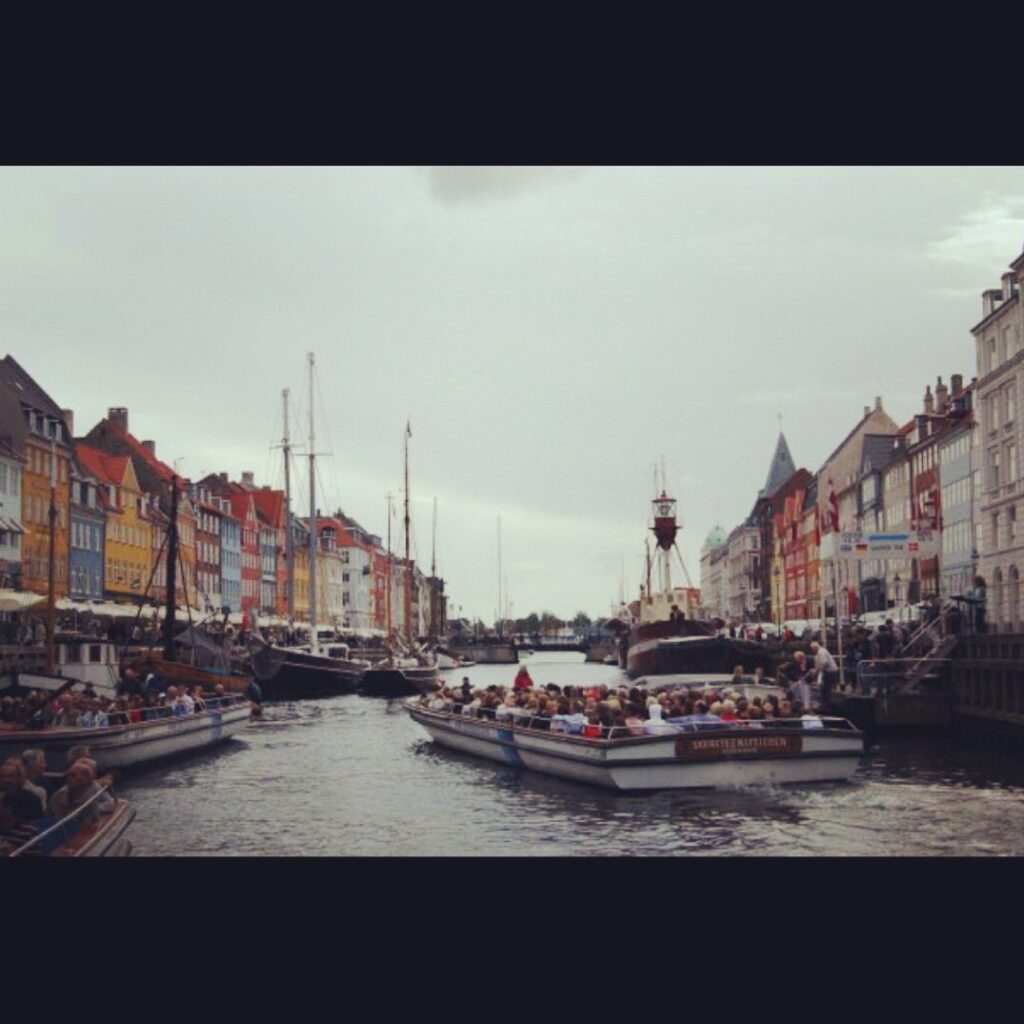
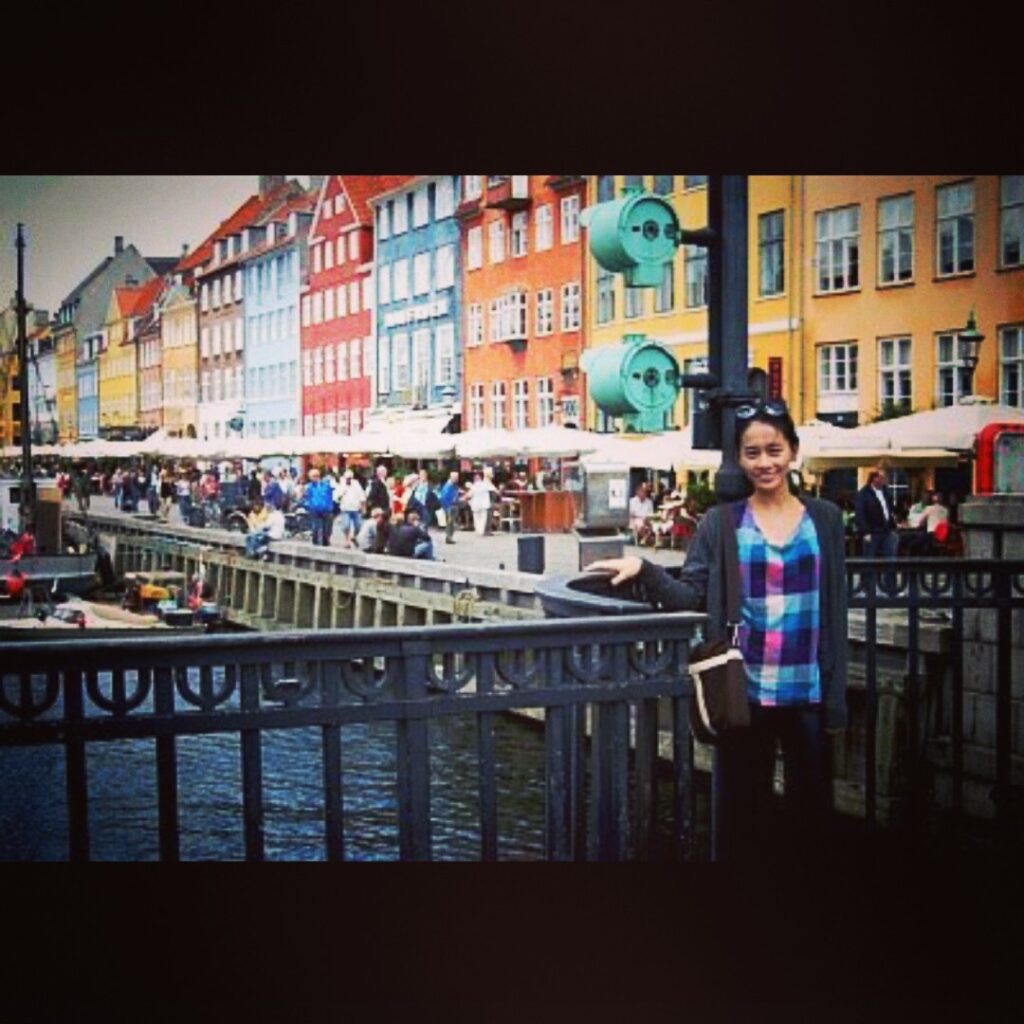
Coming from Korea, I was used to things happening almost instantly. So, when it took weeks just to process a basic residence permit at a public office in Copenhagen, I felt a level of frustration that only someone raised in the Korean “Palli-Palli” (hurry-hurry) culture can truly understand. For Koreans, “Palli-Palli” is more than just a phrase; it’s practically hardwired into our DNA.
This obsession with efficiency and speed is the engine that propelled South Korea that is a small nation with limited natural resources to become one of the world’s top 10 economies. It’s the driving force behind our miraculous growth.
I remember my foreign friends being baffled by something as simple as a “service bell” on a restaurant table. In Korea, we press that button the moment we need something, often multiple times if the response isn’t immediate. To my friends, our inability to wait even a few minutes for a server to pass by was fascinating. (and perhaps a little crazy.)
In this post, I want to dive deep into Korea’s “Palli-Palli” culture. We’ll explore how this relentless pursuit of speed has created an unbelievably convenient lifestyle, the incredible advancements it brought to the nation, and even the hidden side effects of living life in the fast lane.
1. The Magic of K-Delivery — A Life-Saver for Busy Moms
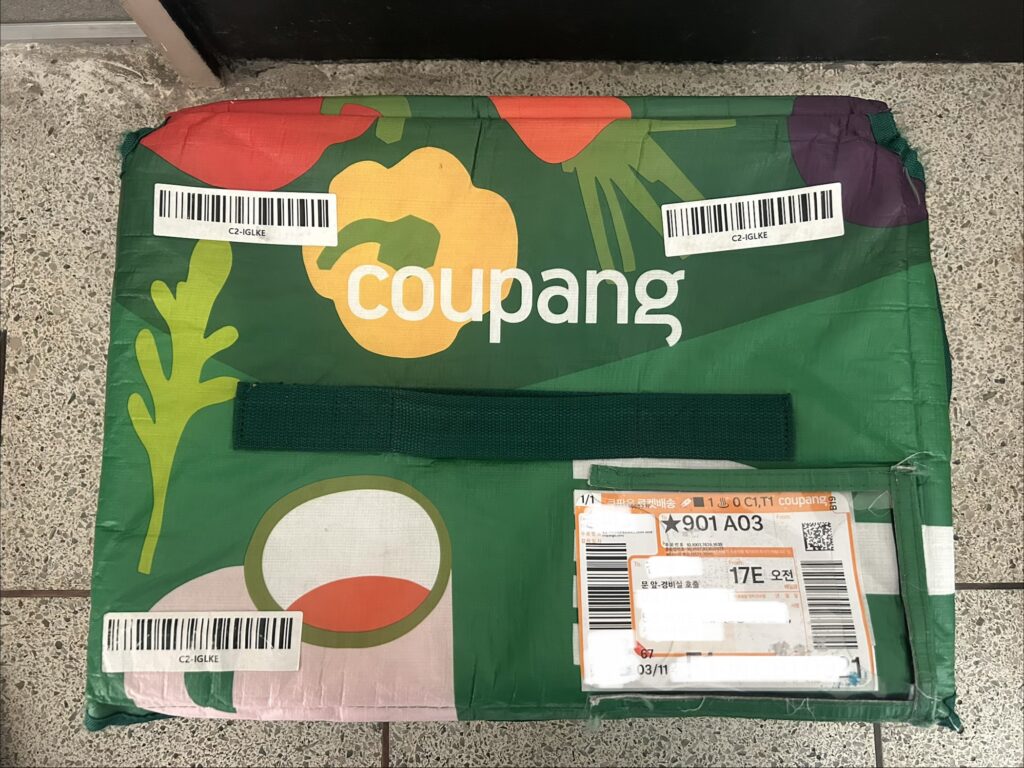
Have you ever heard of “Dawn Delivery” (Saebyeok Baesong)? In Korea, if you place an online order by midnight, the package is waiting at your doorstep by 7 AM the next morning. It’s a core service provided by giants like Coupang (Rocket Fresh) and Emart, and it has completely redefined the Korean lifestyle.
I personally “woke up” to the magic of this service when I became a mother. Raising a child(especially from infancy to age three) is an exhausting labor of love that drains every ounce of your soul. In those days, even the simple act of going grocery shopping or prepping a meal felt like an impossible luxury.
There were times when I’d suddenly realize we were out of diapers or formula in the middle of the night. In those moments, the convenience of Dawn Delivery was incredible. It saved me from the physical and mental exhaustion of a last-minute store run.
To this day, my routine remains the same: I put the kids to bed, browse the app for groceries on my phone, and wake up to find everything neatly delivered by morning. Without this system, I’d be spending hours every week at the market. While I miss the sensory joy of touching and smelling fresh produce at a physical store, the “innovation of time” that Dawn Delivery offers is far more precious to me. (I go to the physical supermarket for grocery shopping from time to time, too.) And I’m not alone—countless Korean mothers gladly pay the monthly subscription fee of about 5,000 KRW (roughly $4) to reclaim their time.
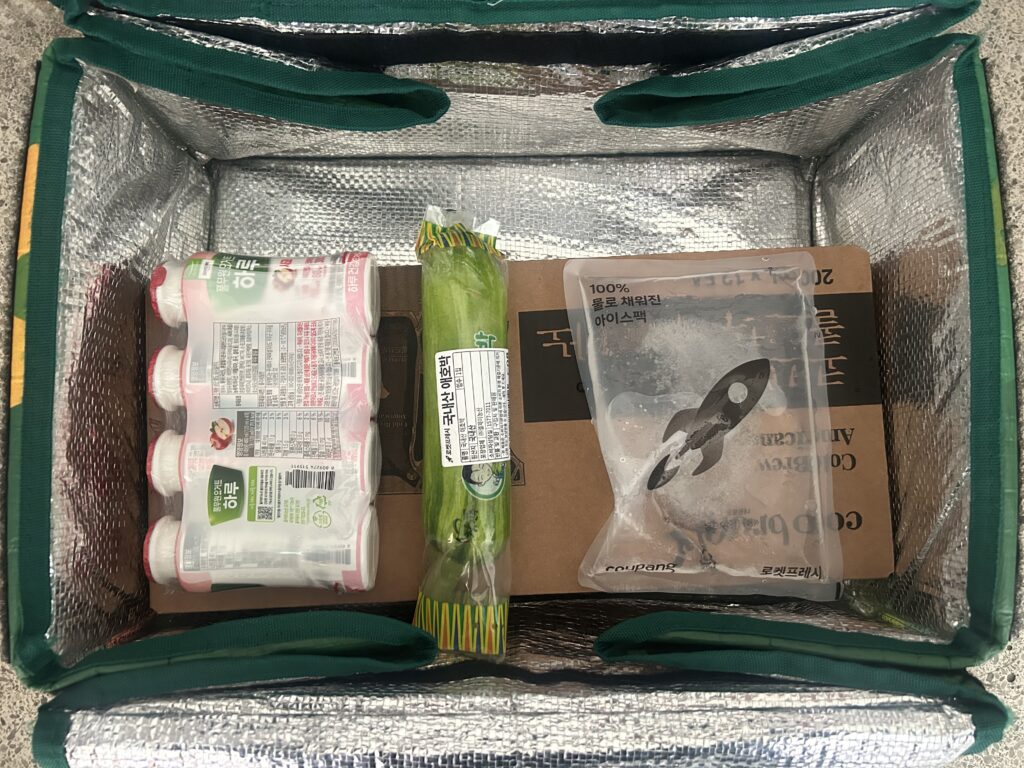
The “Delivery Nation”: Anywhere, Anything, Anytime
But the speed of Korea doesn’t stop at groceries. Our food delivery system is truly legendary. Driven by the “Palli-Palli” spirit, most meals arrive within 30 to 60 minutes. But for those who find even that too slow? We have “Single-Address Delivery” (Hanjip Baedal). By paying a small premium, a dedicated rider delivers only your order directly to your door without making other stops. We really are obsessed with speed, aren’t we?
The precision is equally mind-blowing. Take the Han River parks in Seoul, for instance. There are 11 parks along the river, each vast and bustling with people. Yet, you can order almost anything—from traditional Gukbap (hot soup with rice) and Jajangmyeon to gourmet pasta and burgers—and the delivery rider will find your exact picnic spot.
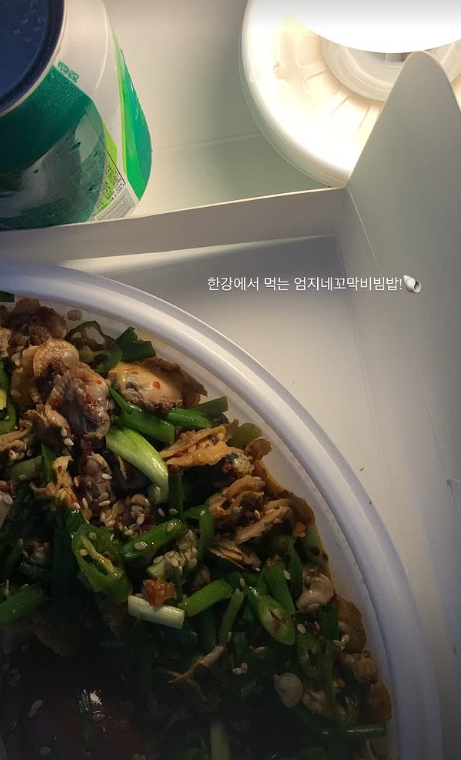
This is why we often call ourselves the “Nation of Delivery.” It’s a seamless blend of high-tech logistics and a culture that refuses to wait.
2. Seamless Connectivity — Life at Your Fingertips
South Korea is world-renowned for its blistering internet speeds and a digital infrastructure where literally everything can be solved with a smartphone. Whether it’s banking, public services, or making a reservation, most tasks are completed in mere seconds.
What surprises many is the digitisation of even the most sensitive official documents. Take the “Certificate of Personal Seal” (Ingam-jeungmyeongseo) or other high-security identification documents; you can authenticate your identity and issue these online within five minutes—often for free. Even renewing a passport, which is a process that is notoriously bureaucratic in many countries can be done online for Korean citizens. You simply apply through a portal and pick it up when it’s ready.
But as a mother, the digital innovation I appreciate most is in healthcare. I use a dedicated medical app to book appointments for my children’s pediatrician visits. If you’ve ever dealt with a fussy, sick child, you know that waiting in a crowded clinic for an hour is a nightmare. With this app, I can search for nearby clinics, check real-time waiting lists, and secure a spot before I even leave the house.
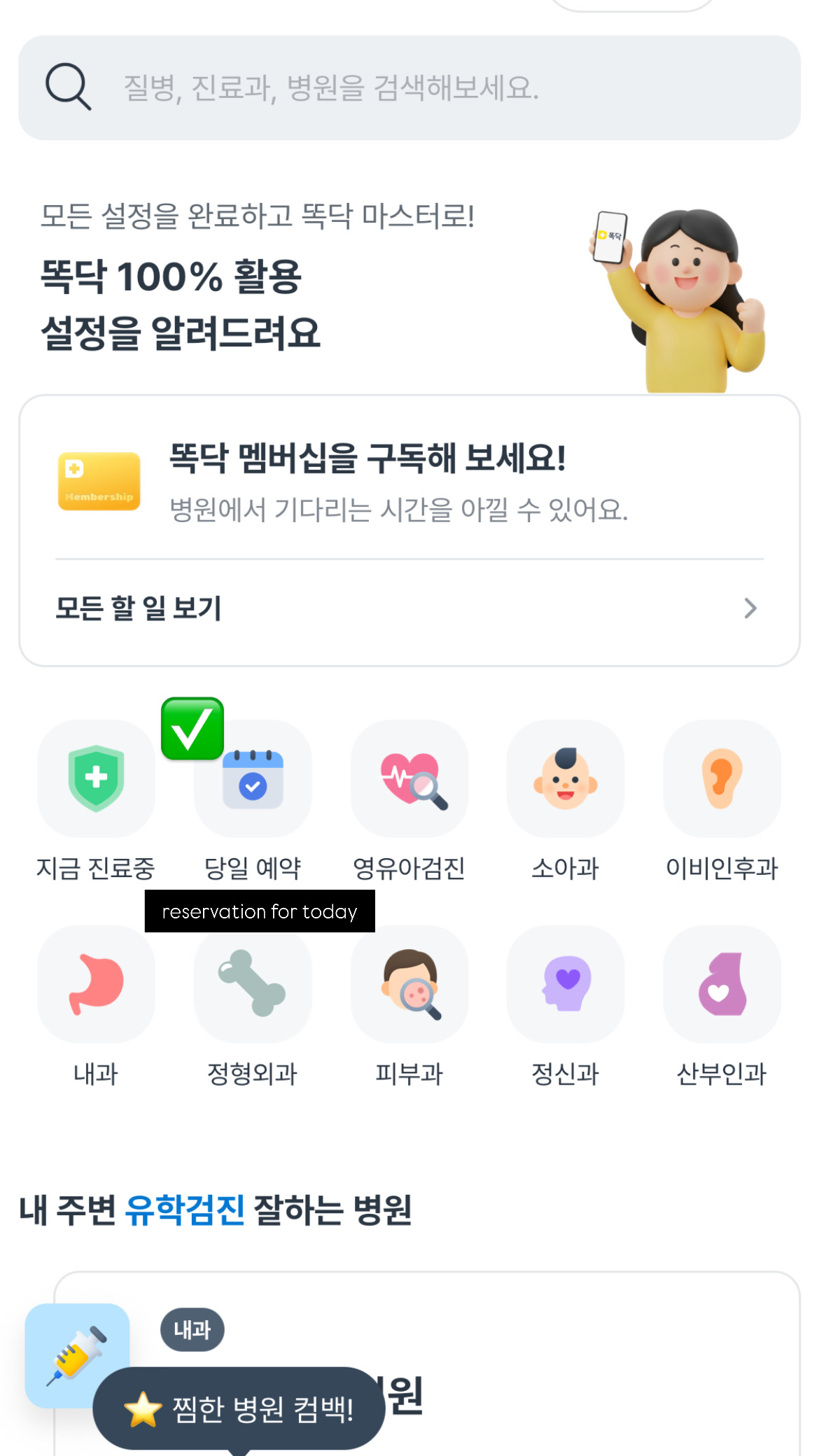
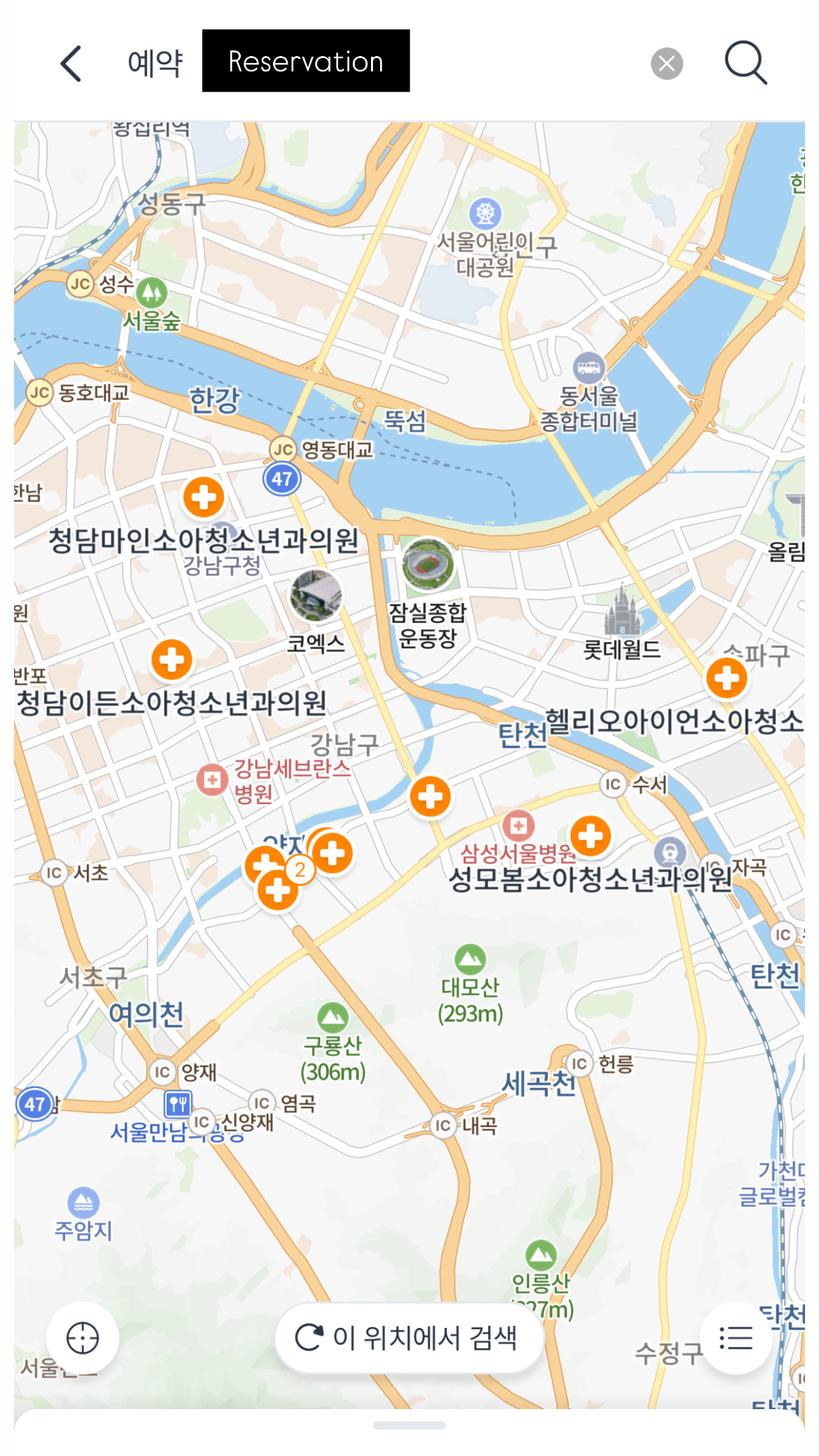
Reflecting on this, I now fully understand why Koreans living abroad feel such immense frustration when simple paperwork takes weeks or even months. When you’re used to the “Palli-Palli” digital ecosystem, anything less feels like moving in slow motion.
3. The Trust Culture — Why Unmanned Shops Work in Korea
Did you know that South Korea boasts one of the highest lost-and-found recovery rates in the world? There’s a famous social experiment conducted by foreign YouTubers and media outlets where 100 wallets were “dropped” all over Seoul. The result? Nearly all of them were either returned to their owners or reported to the police.
Another viral trend shows people leaving expensive laptops or smartphones on cafe tables for hours while they go for a walk. In most parts of the world, this would be an invitation for theft, but in Korea, people barely even look at them. This phenomenon, which has garnered millions of views online, stems from a deep-rooted cultural mindset: “If it’s not mine, I don’t touch it,” combined with a sense of social responsibility to help find the owner. In fact, Korea’s integrated lost-and-found portal, ‘lost112’, records thousands of found items every single day.
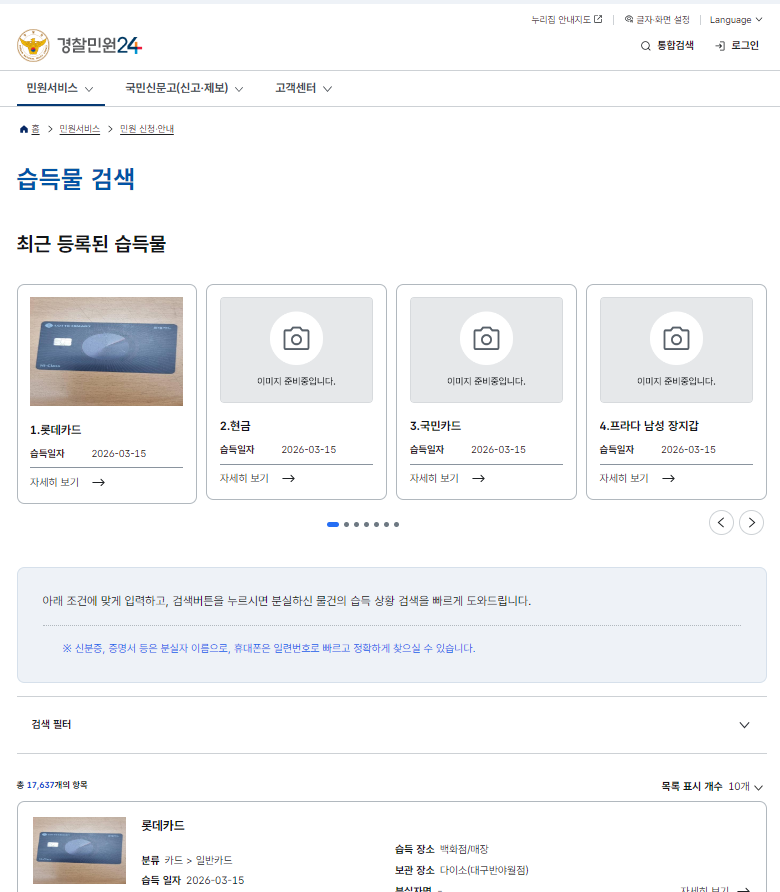
This high level of social trust has paved the way for a unique business model: Unmanned Shops. Walk around any residential neighborhood in Seoul, and you’ll find unmanned cafes, convenience stores, ice cream shops, and even stationery stores. I remember a foreign friend being absolutely stunned by an unmanned stationery shop. They told me, “In my country, even with CCTV, a shop without a clerk would be emptied within an hour!”
While petty theft does exist, it is rare enough that these shops have become a standard part of the Korean landscape. Driven by rising labor costs and the “Palli-Palli” desire for instant, 24/7 access, these unmanned stores are the ultimate fusion of efficiency and civic duty. They are a testament to how a fast-paced society can still be a safe and trusting one.
The Price of Speed vs. The Value of Efficiency
However, living in the world’s fastest lane comes with its own set of challenges. This relentless “Palli-Palli” culture naturally breeds a high-pressure environment where competition is the norm. When everyone is moving at lightning speed, it’s easy to feel like you’re falling behind, often leading to collective burnout.
There is also a social side effect: a heightened awareness of others, what we call Nunchi. This can manifest as a “keeping up with the Joneses” mentality, where people feel a strong urge to do, buy, or experience whatever is currently trending. In a society that moves this fast, the pressure to conform and stay ahead can be mentally exhausting. Given this environment, I can guess why the consumption of luxury brands is so high in Korea; it often serves as a visible marker of keeping pace with the rest of society.
Looking back at my quiet, slow-paced days in Copenhagen, I realize that “Palli-Palli” is more than just a word or a simple desire to be fast. It is the pulse of a nation that never stops evolving, a survival mechanism that turned a small country into a global powerhouse.
While we must be mindful of the fatigue this pace can bring, there is no denying the magic it has created. It’s the diaper delivered to a tired mother at 6 AM, the seamless digital life that saves us hours of bureaucracy, and the incredible social trust that keeps our belongings safe in a crowded cafe. Korea’s High-Speed Lifestyle is, ultimately, an expression of our passion and our respect for each other’s time.
Next time you visit Seoul, I hope you don’t just see the rush—I hope you experience the thoughtful efficiency and the vibrant energy that makes this city truly one of a kind.
You might also like:
- If you’ve enjoyed learning about Korea’s fast-paced daily life, why not discover the pinnacle of its culinary world? Check out my curated list of the finest dining experiences in the city [The Stars of 2026 Michelin Guide Seoul & My Personal Best 3]
- You might wonder “what are the hidden rules Koreans live by?” From the red ink myth to why we don’t shake our legs, explore 7 fascinating superstitions that still shape Korean lives today!” Please check out my previous posting on [7 Strange Korean Superstitions Every Homeowner Should Know]
- Understanding these superstitions is just the beginning of discovering the beauty of Korean heritage. For a deeper look into our most celebrated holiday, check out my guide on [Embracing Korean traditions during Seollal]
- Looking for more luxury inspiration in Seoul? Don’t miss my story about a restorative family staycation at the Four Seasons Hotel Seoul. It was the perfect break before the kids started their new school year! More details on [The Ultimate Gwanghwamun Guide: BTS Performance Spot, 4 Must-Try Experiences at Four Seasons Seoul, and MMCA Art]
