Seoul 2026—A City Reimagined

It’s hard to believe, but I’ve been calling Seoul my home for nearly 20 years now. Ever since I moved here for university as a wide-eyed student from a small town, I’ve seen this city through many different lenses. From the romantic nostalgia of my campus days to the high-stakes precision of my current life as a “Daechi Mom,” Seoul has always been a city of layers.
But lately, the Seoul I experience feels different. It is more vibrant, more synchronized with the global stage, and—dare I say—more dynamic than ever before. This shift isn’t just a feeling; it’s a reflection of the rapidly evolving South Korea trends in 2026 that are redefining our daily lives. Why does this year feel like such a tipping point? What are the currents moving beneath the surface of the peninsula right now?
In this post, I’ve curated five defining keywords across various categories that represent the “Now” of Korea. These are not just news headlines; they are my personal, insider observations of the South Korea trends in 2026 and the phenomena shaping our future.
1. [Lifestyle] The New Currency of Wealth: Experiential Wellness
To understand Korean lifestyle, you must first understand “Nunchi (눈치).” Often translated as the “subtle art of gauging others’ thoughts and feelings,” Nunchi is the social superpower—and sometimes the pressure—of staying in tune with the collective mood. In a highly competitive society like ours, this often translates into a desire to show one’s status clearly to others.
This cultural backdrop made South Korea the world’s #1 luxury consumer per capita (spending $325 per person as of 2024). For years, owning a “Big Three” brand—Hermès, Louis Vuitton, or Chanel—wasn’t just about fashion; it was a visible language used to demonstrate economic power and social rank, fueled by rising incomes and the “flex” culture of social media.
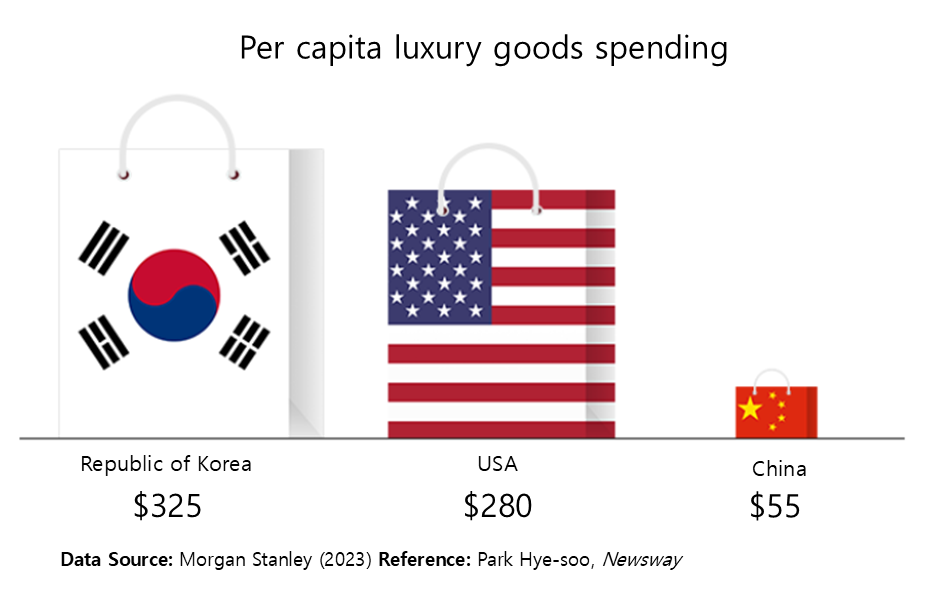
However, in 2026, we are seeing a fascinating shift. While Korea remains a global luxury powerhouse, the way we “show” our wealth is evolving. Amidst high inflation and a maturing market, the obsession with logos is stagnating. Instead, the elite are moving toward Experiential Wellness.
True status is no longer just what you wear, but how you live. It’s whispered through:
- High-End Rituals: Private hotel spa and fitness memberships and holistic health retreats.
- Global Experiences: Spending winters at Niseko Ski Camps and summers at Overseas Summer Camps for the kids.
- Active Hobbies: Investing in technical scuba diving, exclusive golf retreats, curated winery tours and private sports coaching.
Luxury is transitioning from a “product” you buy to a “life” you design. It’s no longer about having the same bag as everyone else; it’s about having a vitality that no one else can easily replicate.
2. [Technology] AI: The Digital Shadow, Strategic Consultant, and Friend
In 2026, AI in Korea has moved far beyond a mere tech trend; it has become an essential life tool for every generation. It’s no longer just for the tech-savvy youth; it’s a “Digital Shadow” that adapts to the unique needs of everyone—from corporate leaders to young students.
Take my family, for example. My father-in-law, who still actively runs his own company, uses AI as a high-level strategic consultant. Before making major business decisions, he asks AI to synthesize complex market data and pressure-test his logic, helping him clear his thoughts and refine his vision. My husband also relies heavily on AI to balance his demanding career with his external professional commitments, using it as a highly efficient chief of staff for his projects.
As for me, AI is the “COO” of my household and my most reliable teaching assistant. I personally manage my 8-year-old daughter’s English education, and AI has been a game-changer. It creates customized quizzes to check her vocabulary and helps me design interactive lesson plans that keep her engaged.
Moreover, AI is the silent engine behind “The Gangnam Edit.” It helps me clear my thoughts when I’m stuck and, most importantly, it helps me navigate the subtle nuances of the English language. Since English is not my first language, having an AI partner to ensure my message is delivered with the right tone and “insider” feel is invaluable. From managing my complex “Daechi Mom” grid to acting as an emotional sounding board, AI has become the ultimate multitasker’s secret weapon for every generation in my home.
3. [Economy] The KOSPI Surge vs. The Eternal “Religion” of Real Estate
Under the current administration’s focus on tightening real estate regulations while aggressively revitalizing the stock market, we are seeing a historic shift in how capital moves. In 2026, the KOSPI Bull Market is the talk of the town. At every dinner gathering in Gangnam, the conversation has shifted from “Which apartment complex is rising?” to “How far can the KOSPI go?”
However, I remain personally skeptical about whether this capital will ever truly leave the real estate market. In South Korea, the love for real estate—specifically “The Apartment”—is more than an investment; it’s a national religion.
Why is our real estate market so indestructible?
- Scarcity & Education: Our land is small, and the demand for “Elite Neighborhoods” with top-tier school districts is infinite.
- The “Standardized” Asset: Most Koreans live in apartments with standardized layouts and sizes. This makes comparing, buying, and selling incredibly easy and transparent—almost like trading a commodity.
- The “Tier List” Culture: South Korea might be the only country where “Neighborhood Tier Lists” (급지표) circulate online, ranking districts by prestige. Some people even divide social classes based on which building or floor you live on within the same neighborhood.
The desire to move to a “Higher Tier” (상급지) remains the ultimate life goal for many. Recently, the “Han River View” (homes where you can see the river from your living room or kitchen) has emerged as the ultimate new Veblen good—a luxury item that signals you’ve truly “arrived.” Despite the government’s efforts to boost the stock market, the fever for Seoul real estate—fueled by a deep-seated craving for social mobility—shows no signs of cooling down.
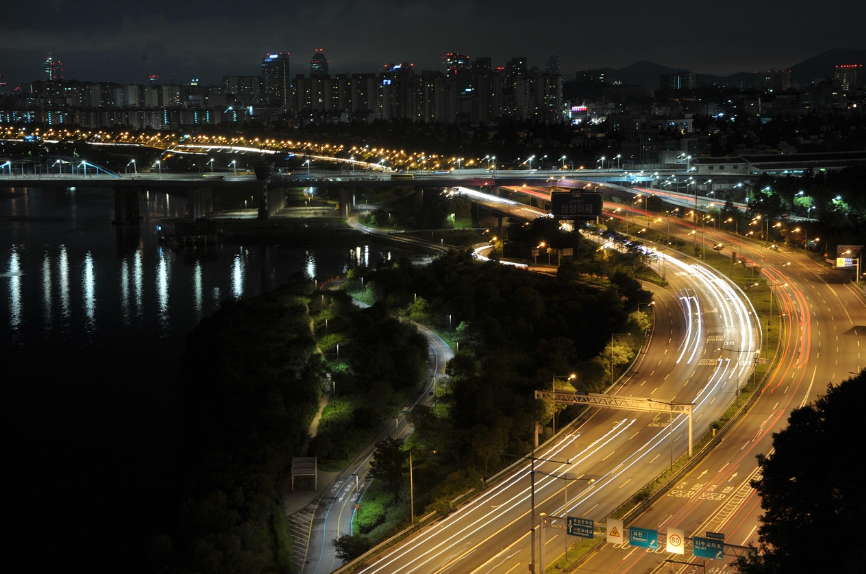
Personally, I have primarily focused on the U.S. stock market for my investments. However, seeing the recent momentum, I took a cautious step and recently purchased some Korean stocks I had been eyeing during a slight KOSPI dip. Now, I find myself watching the charts with keen interest: Will the KOSPI continue its record-breaking “high-altitude” march? Will it keep fluctuating with the current volatility? Or will it eventually revert to its historical average? It’s a fascinating—and nerve-wracking—time to be an investor in Seoul.
4. [Culture] K-Pop 2.0: The Mainstream Renaissance
K-Pop is no longer a “subculture” or a “niche genre”—it has officially become the Global Mainstream. In 2026, hearing Korean lyrics on a random radio station in London or Paris is normal. But what’s truly remarkable is how the “Kings and Queens” have returned to reclaim their thrones, pushing the genre into a new era.
The most iconic moment of 2026 was undoubtedly BTS’s massive comeback stage at Gwanghwamun Square. Seeing the members perform against the backdrop of Seoul’s historic palace, broadcast live to millions worldwide via Netflix, was a powerful reminder of why they remain the “Princes of Pop.” It was a national celebration of their reunion and the start of their “ARIRANG” era.
While BTS leads the group front, the solo power of legendary icons is stronger than ever:
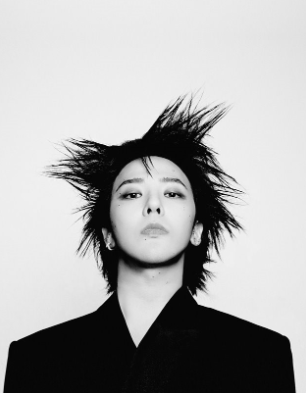
- The King, G-Dragon: Often called the “King of K-Pop,” GD continues to reign supreme. His solo world tour “Ubermensch” broke records, and his recent “FAM” meeting at the KSPO Dome proved that his influence on both music and fashion remains untouchable.

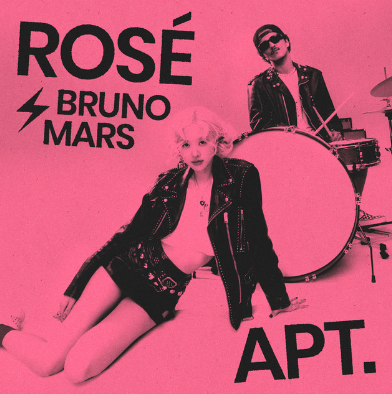
- The Queens of Blackpink: Jennie and Rosé have transcended the “Idol” label to become global musical powerhouses. Following Rosé’s record-breaking smash “APT.” with Bruno Mars, the members have shown incredible musical growth, establishing themselves as legitimate solo artists who dominate the charts independently.
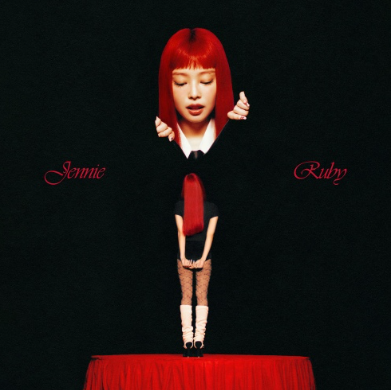
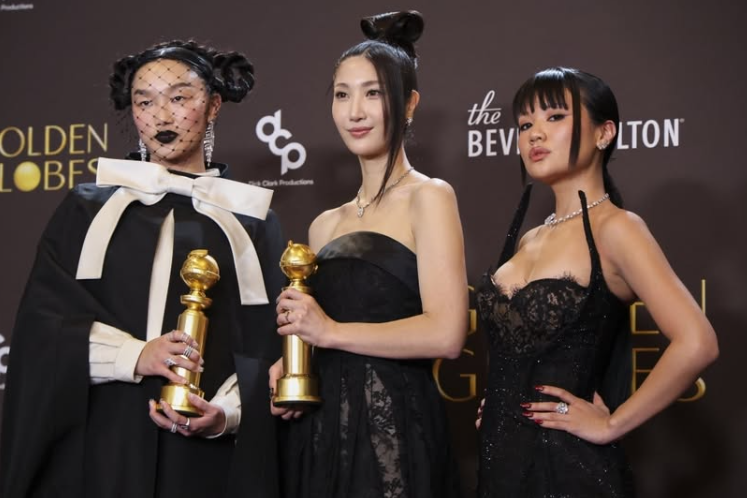
Adding to this momentum is the global success of “K-Pop Demon Hunters,” the animated musical that recently made history by winning both a Golden Globe and an Oscar for Best Original Song (“Golden”).
K-Pop in 2026 is no longer about chasing the West; it’s about the world chasing Seoul. It is a genre that has dissolved language barriers, proving that a great melody and a powerful performance can move the world—no matter what language it’s in.
5. [Dining] From Monks to Michelin: The Global K-Food Metamorphosis
Along with the K-culture wave, Korean cuisine has reached a level of global reverence I’ve never seen before. This “K-Food Fever” has been fueled by Netflix’s Culinary Class Wars and the spiritual philosophy of Venerable Jeong Kwan (from Chef’s Table), who elevated temple food into a high-art form.
Recently, I was deeply moved by an interview with Simon Kim, the CEO of the Michelin-starred COTE Korean Steakhouse in NYC, on the popular Korean talk show You Quiz on the Block. His story wasn’t just about business; it was a profound narrative of identity. He shared a vulnerable truth: When he lived in New York, he wanted to be American, but he wasn’t. When he came to Korea, he felt he wasn’t fully Korean either. For a long time, he felt he belonged nowhere. But he eventually realized that this “in-between” space was his greatest strength. Instead of opening a typical Italian restaurant in Manhattan to fit in, he decided to embrace “food that looked like him”—Korean food. He chose to be the bridge between two worlds. His success with COTE proves that K-food is the perfect medium to blend our deep-rooted heritage with modern, global sophistication. It reminded me that being an “insider” isn’t about being part of one single group; it’s about having the vision to connect different worlds. Whether it’s a quiet bowl of temple food or a high-energy steakhouse in New York, K-food has become a global language of pride and soul.
[Spotlight] COTE Korean Steakhouse
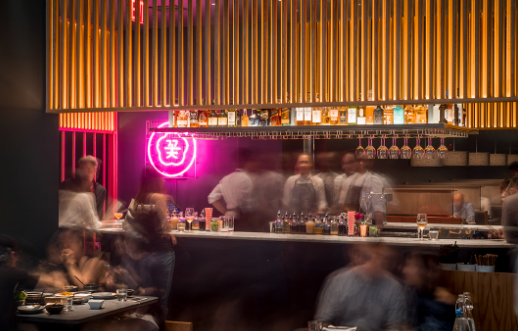
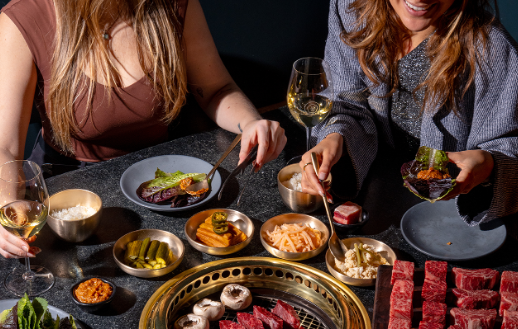
If you’re ever in New York and want to experience the “bridge” Simon Kim has built, COTE is an absolute must-visit. COTE is the first and only Korean steakhouse in America to earn a Michelin Star. It has also been recognized by the Korean Ministry of Agriculture as one of the “Best Overseas Korean Restaurants.”
- Location: 16 W 22nd St, New York, NY 10010 (Flatiron District)
- Make a reservation: https://resy.com/cities/new-york-ny/venues/cote-nyc?date=2026-03-31&seats=2
2026 South Korea: 5 Unstoppable Trends Summary
| Category | Trend Title | From (Past/Current) | To (2026 Future) | The TGE Perspective |
| 1. Lifestyle | Wellness Wealth | Logo Obsession: Showing status through Hermès, LV, Chanel “flex.” | Experiential Rituals: Private spas, Niseko ski camps, and holistic health. | Luxury is now a “life design” focused on vitality, not just a product purchase. |
| 2. Technology | AI: The Digital Shadow | A trendy tool for the tech-savvy or young generation. | Essential Life Partner: From strategic business consulting to “Daechi Mom” education AI. | AI is the “COO” of the household, helping navigate global nuances and busy schedules. |
| 3. Economy | KOSPI vs. Real Estate | Real Estate as the only “Safe Haven” for wealth. | KOSPI Bull Market: Massive capital shift toward stocks under new regulations. | Despite the stock surge, “The Apartment” (especially Han River Views) remains a national religion. |
| 4. Culture | K-Pop 2.0 Mainstream | Niche subculture or “Global Fad” chasing Western trends. | Global Standard: BTS Gwanghwamun comeback and solo icons (GD, Jennie, Rosé) reigning supreme. | The world is now chasing Seoul; language barriers have completely dissolved. |
| 5. Dining | K-Food Metamorphosis | Typical BBQ or traditional “foreign” food. | Identity & Philosophy: Temple food (Jeong Kwan) and Michelin-starred fusion (COTE). | K-Food is a “bridge” between worlds—a sophisticated language of pride and soul. |
The Quiet Insider’s Journey
I moved to Seoul twenty years ago, chasing dreams I couldn’t quite name. Looking back, the city has evolved as much as I have. From a university student navigating the subway for the first time to a mother and creator now navigating the complex “Daechi-dong” grid, I’ve seen this metropolis reinvent itself a thousand times over.
Seoul in 2026 is a global conversation that I’m proud to be a part of. Whether we’re discussing the surge of the KOSPI, the “God-tier” status of medical school, or the quiet philosophy in a bowl of temple food, we are all witnessing a dynamic metamorphosis.
As I continue to peel back the layers of this vibrant city, I realize that the “Real Korea” isn’t found in a guidebook—it’s found in these shifting currents of wellness, technology, and identity. My 20-year journey here is still a work in progress, and I’m just grateful to be an observer and a storyteller in this beautiful, chaotic, and ever-inspiring “Seoul Edit.”
You Might Also Like:
- 20 years in Seoul has taught me that even one street can change everything. Living and working in Gangnam, I’ve navigated the distinct ‘two worlds’ divided by the iconic Teheran-ro. Whether you’re looking for the trendiest cafes or the most prestigious districts, here’s my personal guide to choosing your side. [Gangnam Neighborhood Guide: 3 Key Differences Between Taebuk and Taenam]
- Curating your Seoul shopping bag requires an insider’s eye. Whether it’s the cica creams that save my skin during the morning rush or the premium snacks that power my digital work, these are my personal essentials. Don’t head to the airport without checking this list. [Don’t Leave Seoul Without These: 10+ Olive Young Must-Buys]
- You also might be wondering: How did Korea become the world’s capital of efficiency and speed? From dawn grocery deliveries to lightning-fast medical apps, the same “Palli-Palli” (hurry-hurry) spirit that created these high-performance products is what fuels our daily lives in Seoul. Please check out my previous posting [3Ways Korea’s High-Speed Lifestyle Will Amaze You]
- What about discovering the pinnacle of its culinary world? Check out my curated list of the finest dining experiences in the city [The Stars of 2026 Michelin Guide Seoul & My Personal Best 3]
- You might wonder “what are the hidden rules Koreans live by?” From the red ink myth to why we don’t shake our legs, explore 7 fascinating superstitions that still shape Korean lives today!” Please check out my previous posting on [7 Strange Korean Superstitions Every Homeowner Should Know]
- Understanding these superstitions is just the beginning of discovering the beauty of Korean heritage. For a deeper look into our most celebrated holiday, check out my guide on [Embracing Korean traditions during Seollal]
- Looking for more luxury inspiration in Seoul? Don’t miss my story about a restorative family staycation at the Four Seasons Hotel Seoul. It was the perfect break before the kids started their new school year! More details on [The Ultimate Gwanghwamun Guide: BTS Performance Spot, 4 Must-Try Experiences at Four Seasons Seoul, and MMCA Art]
