To truly understand the global phenomenon we see today, we must dive deep into K-Pop history. As I briefly touched upon in my previous post, [5 Unstoppable South Korea Trends in 2026: From Wellness Wealth to K-Pop’s New Era], K-Pop is no longer just a subculture. Today, whether you are walking down the streets of New York, Paris, or London, hearing a K-Pop track blast through the speakers feels entirely natural. In fact, I’m sure many of you found your way to my blog because a spark of curiosity about K-Pop bloomed into a deeper love for Korean culture as a whole.
As a millennial born in the late 1980s, I literally grew up breathing and living the inception and evolution of this global phenomenon. I still vividly remember my very first cassette player—the iconic ‘mymy’ launched by Samsung Electronics back in 1981.

During my elementary school days, long before the era of digital downloads and streaming, I would anxiously wait by the radio. The moment my favorite song came on, I’d slam down the ‘REC’ button to record it, listening to that cassette tape over and over until the magnetic tape literally stretched out.
Then came the legendary 1st-generation idol group, H.O.T., which officially kicked off my era of passionately collecting physical tapes and CDs. I lived through the transition of downloading tracks to carry around on my MP3 player during BigBang’s prime (with the one and only G-Dragon leading the wave). And today? I am navigating the cutting-edge era of global streaming platforms like Spotify and Apple Music, while watching high-definition YouTube fan cams. I am, quite literally, a living witness to the history of K-Pop.
Now, even as a mother of two, I’m still a big fan of K-Pop, still hyping over G-Dragon and Blackpink, while constantly updating my playlist with the fresh sounds of RIIZE and CORTIS.
In today’s TGE post, we are going deep. From its rebellious roots and golden transformations to the cutting-edge present, if you’ve ever been curious about the ultimate evolution of K-Pop, you’re in the right place. Let’s dive in!
Act I: The Genesis and Rebellious Roots (The 1st Generation, 1990s–Early 2000s)
The Revolution of K-Pop: Seo Taiji and Boys
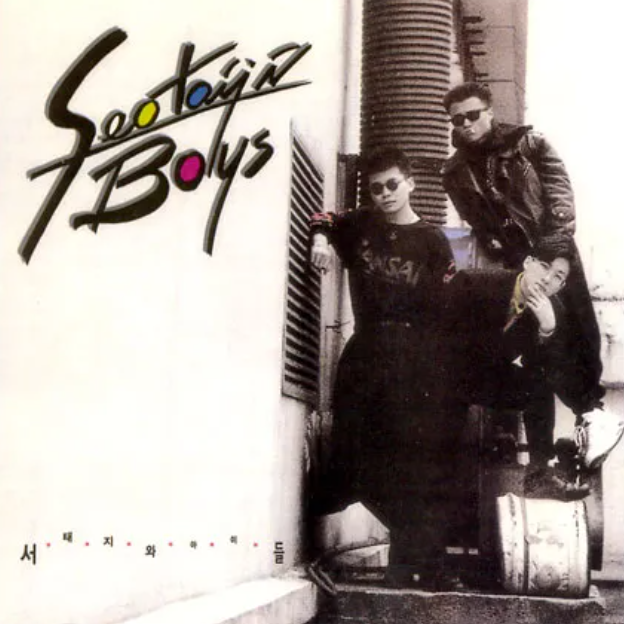
The late 1990s to the early 2000s marked the monumental era when the foundational blueprint of K-Pop was forged. In 1992, a revolutionary group named Seo Taiji and Boys stepped onto the music scene, signaling a dazzling and explosive beginning for the genre. Led by the visionary vocalist Seo Taiji, alongside members Lee Juno and Yang Hyun-suk (who would later found the mega-agency YG Entertainment), this three-piece boy group reshaped Korean music forever.
The reason Seo Taiji and Boys hold such an unparalleled significance in K-Pop history is that they single-handedly thrust teenage subculture into the absolute mainstream. A dance-centric group rooted deeply in the rap genre was a completely uncharted, radically fresh territory in South Korea at the time. They mobilized a massive, unprecedented fandom and wielded an immense, era-defining influence over the youth. Following their debut, the paradigm of the Korean music industry violently shifted—moving away from traditional adult contemporary trot and slow ballads to embrace performance-driven dance music tailored specifically for teenagers.
They active-promoted for about four years before their sudden disbandment. I still vividly remember being a young elementary school student, watching the evening news in absolute awe as crowds of high school girls wailed and wept in the streets over the heartbreaking news.
The Corporate Blueprint: SM Entertainment and the Idol System

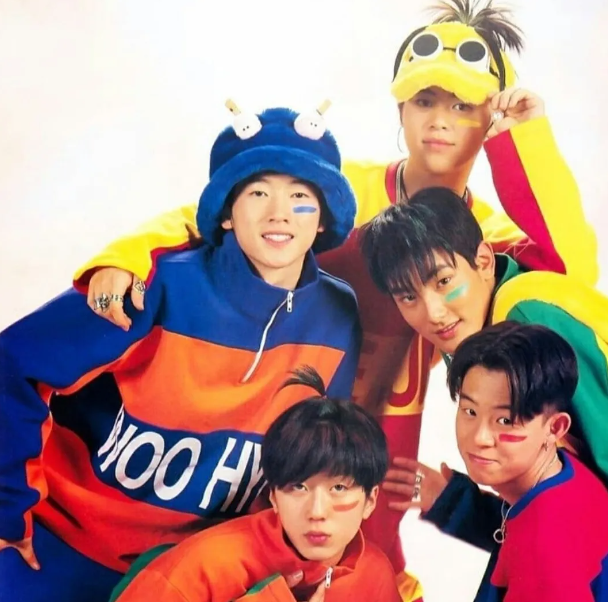
Following the path blazed by Seo Taiji and Boys, Lee Soo-man—a former singer turned brilliantly shrewd entrepreneur—founded SM Entertainment and began constructing a highly strategic, standardized idol production system. By consecutively debuting the five-member boy group H.O.T. and the three-member girl group S.E.S., SM Entertainment began laying the heavy bricks of a magnificent K-Pop empire.
In particular, H.O.T. (an acronym for High-five Of Teenagers) was the legendary group that laid the very cornerstone of modern Korean idol culture. Throughout the late 1990s and early 2000s, their staggering popularity was not just a musical trend; it was a profound social phenomenon. In 1998, they became the first Korean artists to officially release a physical album in China, capturing the massive Greater China market and effectively birthing the historic term “Hallyu” (The Korean Wave).
This era holds a very special place in my heart. Following in the footsteps of my older sister, who was in upper elementary school at the time, I passionately bought H.O.T.’s cassette tapes and plastered their glossy posters all over our bedroom walls. I even tagged along with my sister to an H.O.T. concert—which was her absolute biggest wish in the world. They were truly the pioneer group that inspired a deeply dedicated, almost religious devotion within Korean fandom culture.
Soon after, powerhouse groups like Sechs Kies, Fin.K.L, and the solo prodigy BoA made their grand debuts, securely finalizing the structural framework and industrial infrastructure of the global idol market we know today.
Act II: The Golden Age and Global Contagion (The 2nd Generation, Mid 2000s–Early 2010s)
Perfect Choreography and the Power of the “Hook Song”
As the clock ticked into the 2000s, K-Pop underwent a massive evolutionary leap. This era witnessed the birth of a brand-new digital playground—YouTube—while entertainment agencies took their idol production pipelines to a hyper-sophisticated, industrial level. Suddenly, the term Hallyu (the Korean Wave) was no longer an abstract corporate buzzword; it was a living, breathing reality.
SM Entertainment, freshly armed with the tactical wisdom gained from managing 1st-generation legends, swiftly seized control of this new era by debuting the vocal and performance powerhouse TVXQ! (동방신기). Meanwhile, Yang Hyun-suk, drawing from his iconic roots in Seo Taiji and Boys, established YG Entertainment. He injected a distinct, alternative hip-hop swagger and raw sonic texture into the agency’s DNA. It was during this exact creative golden hour that BigBang, led by the generational mastermind G-Dragon, made their historic debut.
This magnificent era became defined by two signature elements: incredibly addictive “Hook Songs” and a perfect choreography (known in Korea as Kal-gunmu) that became K-Pop’s distinct global trademark.
The Viral Big Bang: How Psy’s “Gangnam Style” Re-Engineered the World
And then, July 15, 2012, arrived—a date that altered the trajectory of Korean music history forever. Psy dropped “Gangnam Style.”
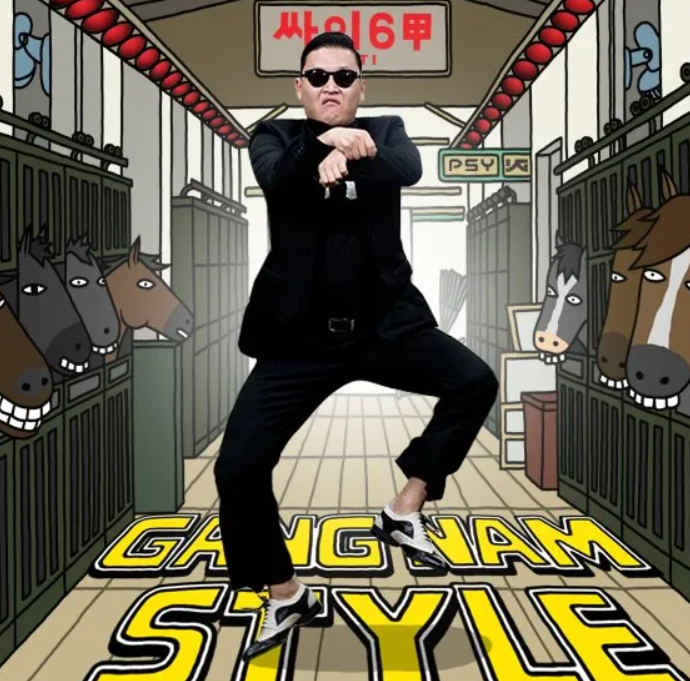
“Gangnam Style” stands as the single most commercially successful track in the history of Korean popular music, shattering geopolitical barriers to become the first truly global mainstream hit from South Korea. It single-handedly supercharged the globalization of Hallyu. The recipe was brilliant in its calculated madness: a dangerously infectious electronic melody, paired with an easily digestible, satirical “B-grade humor” (B-geup gamseong) in both its lyrics and music video.
Riding the explosive wave of a burgeoning YouTube algorithm, the iconic “horse dance” galloped across screens in every corner of the planet. Psy’s unprecedented viral anomaly proved a profound thesis: K-Pop had the structural and cultural capability to break out of Asia and dominate the Western mainstream music market. If millions of people around the globe today recognize the word “Gangnam,” it is undoubtedly because of this historic, ground-breaking cultural earthquake.
Act III: Constructing Universes and Global Domination (The 3rd Generation, Mid 2010s–2020)
The Rise of Global Empires: Mega-Fandoms and High-Fashion Dynasties


The 3rd Generation was a dazzling era that forged undeniable global superstars like BTS and Blackpink. During this pivotal time, K-Pop shattered the glass ceiling of the Western music industry, confidently seizing the number-one spot on the Billboard main charts and establishing itself as a core pillar of the mainstream global pop market.
Suddenly, K-Pop expanded far beyond just infectious tracks or mesmerizing stage choreography. It evolved into an immersive multimedia genre defined by “Narrative Architecture”—an era where a group’s unique storyline, complex fictional lore, conceptual music, and cinematic music videos were organically interconnected.
Concurrently, the rapid proliferation of social media platforms amplified fandom mobilization to unprecedented heights, generating fiercely loyal digital communities. As K-Pop’s cultural and economic hegemony expanded globally, the world’s most prestigious luxury fashion and high-end jewelry houses began competing aggressively to sign K-Pop artists as their global brand ambassadors. Prominent powerhouses like TWICE, who have recently been commanding immense commercial success in the massive U.S. touring market, also made their grand debut during this extraordinarily fertile period.
The Pop Icons of the 21st Century: The Unstoppable Phenomenon of BTS
It is utterly impossible to analyze the 3rd Generation without dedicating a massive chapter to the historic rise of BTS.
On June 13, 2013, this definitive seven-member boy group made their debut under Big Hit Music, led by legendary producer Bang Si-hyuk. Their full Korean name, Bangtan Sonyeondan (방탄소년단), literally translates to “Bulletproof Boy Scouts.” The moniker carries a profound, deeply empathetic manifesto: to act as a shield for youth, blocking out the painful hardships, societal prejudices, and systemic oppressions that teenagers face daily as they navigate the world.
Today, BTS stands as a premier 21st-century global pop icon, wielding a staggering level of international prestige and cultural authority. Commercially and culturally, they are recognized as the most successful and deeply influential Asian artists in modern history—essentially serving as the living, breathing embodiment of K-Pop itself on the world stage.
Their historic conquest of the United States—the literal heart and gatekeeper of the global music industry—was so swift and all-encompassing that Western media frequently compared the frenzy to the legendary “British Invasion” sparked by the Beatles in the 1960s. Recognizing this seismic shift, CNN officially named BTS one of the most influential artists of the decade, specifically honoring their monumental achievement in bringing K-Pop directly into the Western mainstream consciousness. By the end of this historic 3rd Generation, K-Pop had permanently secured its rightful throne in the global cultural landscape.
Act IV: The Digital Metamorphosis and Y2K Nostalgia (The 4th Generation, 2020–2023)
The Democratization of Star Production: From Entertainment Giants to Specialized Labels
With the monumental and historic success of the 3rd Generation, becoming a K-Pop idol transformed into one of the most highly coveted, universally envied career aspirations for youth across South Korea. This collective dream accelerated the explosive growth and diversification of the K-Pop market itself.
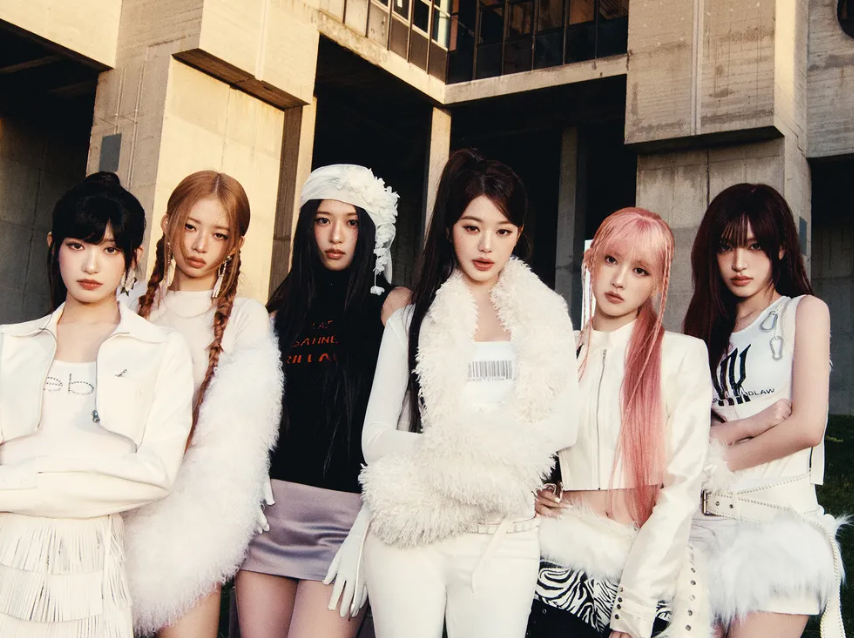
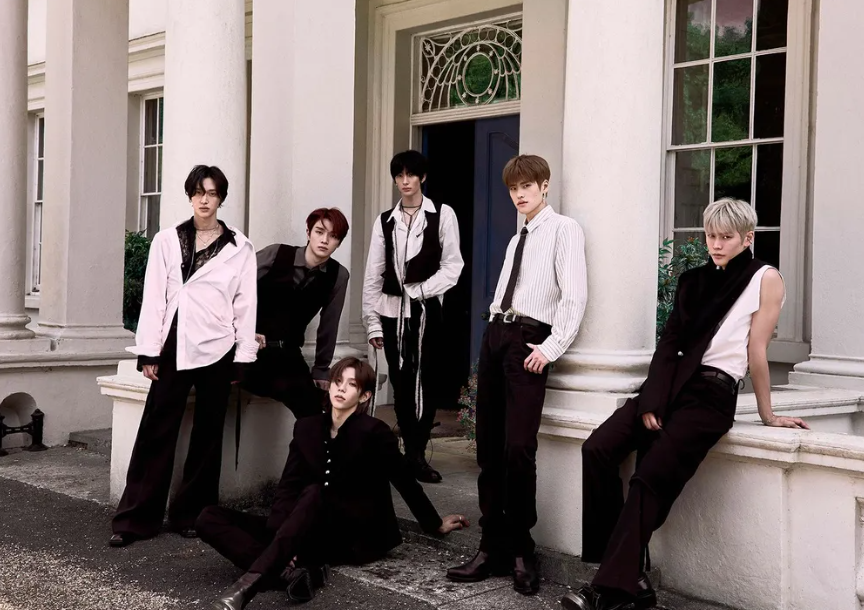
Historically, the industry’s trajectory and charts were entirely dominated by groups birthed from a handful of elite, massive entertainment conglomerates. However, the 4th Generation triggered a profound paradigm shift. Sub-labels, boutique agencies, and independent management teams began producing incredibly distinct idol groups, each armed with a highly defined artistic identity and fiercely unique colors. Superstars and powerhouse rookies like NewJeans, IVE, LE SSERAFIM, aespa, KISS OF LIFE, RIIZE, Tomorrow X Together (TXT), and Stray Kids emerged to define this vibrant frontier, proving that creative vision could successfully compete with corporate size.
From Metaverse Isolation to the Comfort of Y2K “Easy-Listening”
This chaotic era was fundamentally shaped by the unprecedented global pandemic. Deprived of physical, face-to-face interactions with global fans, the industry innovated rapidly, introducing high-tech virtual concepts and the “Metaverse” lore, where digital alter-egos and avatar realities blurred the lines of performance art.
Yet, as a direct emotional response to isolation and maximalist digital concepts, a massive sonic counter-revolution soon took over: the rise of “Easy-Listening.” The industry beautifully embraced late-1990s and early-2000s retro nostalgia, sleekly reinterpreting vintage Y2K aesthetics, UK garage beats, and smooth, comforting R&B-pop rhythms. Global Gen-Z consumers became utterly enchanted by this specific, hyper-stylized visual branding and effortless sonic palette.
What makes this contemporary musical landscape so incredibly thrilling is that the titan groups of the 3rd Generation and the cutting-edge innovators of the 4th Generation are seamlessly coexisting—both remain completely robust, continuously dropping stellar albums and keeping the eyes and ears of global music listeners utterly spoiled for choice.
Act V: Absolute Autonomy and the Rise of ‘Cortis-Core’ (The 5th Generation, Present)
The Coexistence of Giants: Continuous Reinvention by the Eras
Living and breathing in the present year of 2026, K-Pop has officially stepped into its highly anticipated 5th Generation. But what exactly does this new frontier look like?
First and foremost, the landscape is defined by the incredible, unyielding power of 3rd and 4th-generation titans who continue to dominate the global charts. Iconic figures like G-Dragon (BigBang), alongside individual powerhouses Jennie, Rosé, and Lisa, who command massive global influence both as solo artists and as the legendary collective Blackpink, are constantly breaking industry molds. Alongside BTS and TWICE, these trailblazers continuously reinvent themselves, keeping the global fandom in a state of perpetual ecstasy.
The Sovereign Artists: CORTIS and the Era of Raw Authenticity
In parallel to these reigning icons, the newly emerged 5th Generation has transcended the era of perfectly curated, agency-engineered idols. Instead, K-Pop has boldly entered an era of absolute “Autonomy and Authenticity”—where artists directly inject their own unfiltered messages and vulnerabilities into their art.
The absolute standout group that has completely captured my attention in this new wave is Big Hit Music’s powerhouse rookie crew, CORTIS (코르티스)—birthed by the same creative ecosystem led by Chairman Bang Si-hyuk, the mastermind behind BTS. Fluidly deconstructing genre boundaries across hip-hop, avant-garde pop, and indie rock, CORTIS functions less like a traditional group and more like a highly collaborative ‘Young Creator Crew.’ The members directly steer their own identity—writing their own lyrics, producing heavy tracks, crafting their choreography, and even directing their own cinematic videography.
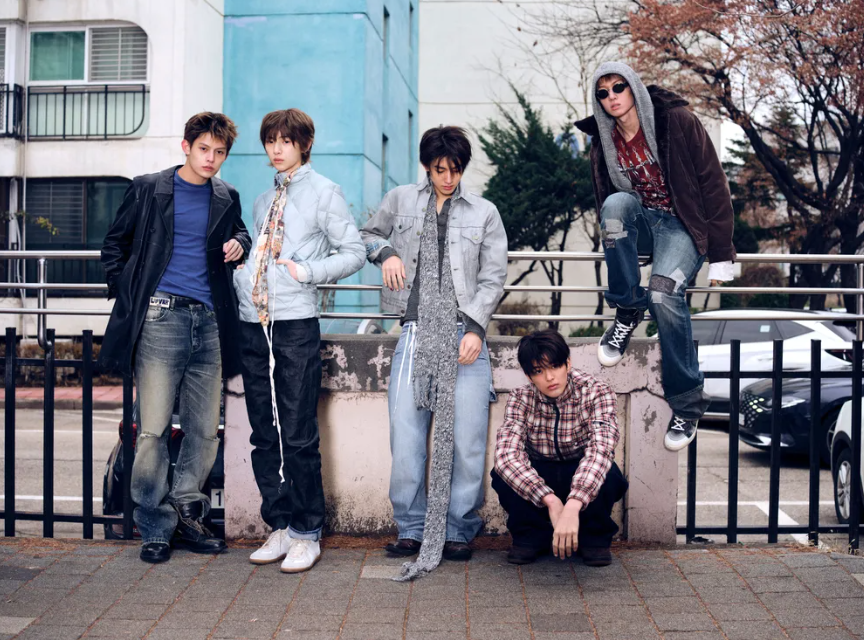
Their core artistic manifesto, “Color Outside the Lines”—a rebellious demand to smash standardized institutional molds and venture beyond boundaries—deeply resonates with a global audience that craves self-expression and genuine truth. Watching them perform, I find myself utterly captivated by the liberating, fiercely free energy and infectious vibe they project. They aren’t just performing; they are leading a cultural movement that redefines what it means to be a modern pop artist.
Quick Summary: The 5 Eras of K-Pop History
- 1st Generation (1990s): The birth of the idol system, led by Seo Taiji & Boys and H.O.T.
- 2nd Generation (2000s): The Golden Age of hook songs and YouTube proliferation (TVXQ!, BigBang, Girls’ Generation, and Psy).
- 3rd Generation (2010s): Global domination and multi-media universe building (BTS, Blackpink, TWICE).
- 4th Generation (2020–2023): Specialized labels, virtual avatars, and Y2K easy-listening (NewJeans, aespa,IVE).
- 5th Generation (Present): Creative autonomy and the rise of self-directed collectives like CORTIS.
Looking ahead, I can’t help but wonder: how much more incredible will K-Pop become, and what uncharted directions will it explore next?
As someone who has witnessed this entire journey firsthand from right here in South Korea, watching K-Pop constantly reinvent itself, push boundaries, and bring endless joy to music lovers all over the world fills me with an immense sense of pride and gratitude.
You Might Also Like:
- Looking for the ultimate indoor Seoul experience? This comprehensive guide takes you inside the sprawling labyrinth of the COEX Mall, revealing the perfect itinerary for culture lovers. From hunting down the latest K-Beauty trends to getting lost in the breathtaking, floor-to-ceiling Starfield Library, these are the 7 essential spots you simply cannot miss in the heart of Samseong-dong. [7 Essential Stops in COEX: From K-Beauty to Iconic Landmarks]
- If you want to experience how locals truly unwind after a hectic week in the city, a traditional Korean bathhouse is an absolute must. This step-by-step local’s guide demystifies the entire Jjimjilbang culture, walking you through everything from the soaking pools to the relaxing clay saunas. Discover the best premium wellness spa tucked away in Gangnam, including insider favorites like Club K Spa. [6 Steps to Enjoy a Korean Jjimjilbang: A Local’s Guide to Gangnam’s Best Spa]
- Stepping into an Olive Young store for the first time can be completely overwhelming with thousands of viral skincare and makeup products filling the shelves. To save you from guessing games, I’ve curated a definitive list of the absolute holy grail items that actual Seoulites swear by. Don’t wrap up your souvenir shopping without checking off these 10+ rigorously tested, editor-approved K-Beauty must-buys. [Don’t Leave Seoul Without These: 10+ Olive Young Must-Buys]
- To truly understand the dynamic energy of Gangnam, you need to understand the subtle but fascinating invisible borders that shape its local identity. This deep-dive neighborhood guide unpacks the unique cultural, commercial, and aesthetic contrasts between the areas north and south of Teheran-ro (Taebuk and Taenam). Discover how the vibe shifts from sleek, corporate luxury to trendy, avant-garde youth hubs in a matter of blocks. [Gangnam Neighborhood Guide: 3 Key Differences Between Taebuk and Taenam]
- South Korea’s legendary ‘Pali-Pali’ (hurry-hurry) culture is more than just a mindset—it is a hyper-efficient digital infrastructure that powers daily life. This post explores 3 mind-blowing ways Korea’s high-speed lifestyle and seamless digital public services will completely reshape your expectations of urban living. From hyper-fast public Wi-Fi to futuristic delivery networks, see how Seoul operates a step ahead of the rest of the world. [3 Ways Korea’s High-Speed Lifestyle Will Amaze You]
- Ready to explore the majestic, historical heart of Seoul where ancient heritage meets hyper-modern luxury? This curated itinerary highlights the iconic Gwanghwamun square—including the exact historic spot where BTS performed for a global audience. Complete your cultural day out with a journey through contemporary masterpieces at the MMCA and a peak into the luxurious, insider experiences waiting for you at the Four Seasons Seoul. [The Ultimate Gwanghwamun Guide: BTS Performance Spot, 4 Must-Try Experiences at Four Seasons Seoul, and MMCA Art]
