If you are curious about Korea weather and seasonal changes, you might remember how much I love early summer and its vibrant energy. However, Korea’s summer this year was so intensely hot—with daytime temperatures hovering near 40°C (104°F)—that even a devoted summer lover like me couldn’t help but sigh, “It is way too hot!”
Then, something magic happened. Right after passing Ipchu (입추), the micro-season that marks the “Beginning of Autumn,” the heat began to break. Cooler breezes started blowing in the mornings and evenings, and almost overnight, you could feel summer stepping back for fall.
If you ask anyone how many seasons South Korea has, they will quickly answer: “Four.”
While that is geographically true, traditional Korea food and culture are actually guided by 24 distinct micro-seasons known as Jeolgi (절기)—and Ipchu is just one of them.
Rooted in ancient agricultural history, this traditional solar calendar tracked the sun’s position to guide farmers on when to plant, harvest, and prepare for the changing Korea weather. But even in modern, tech-driven Korea, Jeolgi remains quietly embedded in our daily lives—most noticeably on our dining tables.
Here is how Koreans have read the rhythm of nature for centuries, and how you can experience it through seasonal food today.
What Exactly is Jeolgi (절기)?
Contrary to popular belief, Jeolgi is not based on the lunar calendar. It is a solar system that divides the Earth’s annual orbit around the sun into 15-degree increments, creating 24 specific seasonal points spaced roughly two weeks apart. Each term carries an evocative name that describes nature’s subtle shifts driven by changing Korea weather—such as Gyeongchip (when frogs awaken from hibernation) or Sanggang (when first frost falls).
4 Iconic Micro-Seasons and Their Foods
To truly understand how Korea weather dictates traditional lifestyles, you only need to look at what Korea food people enjoy during these key micro-seasons.
1. Ipchun (입춘) – The First Breath of Spring
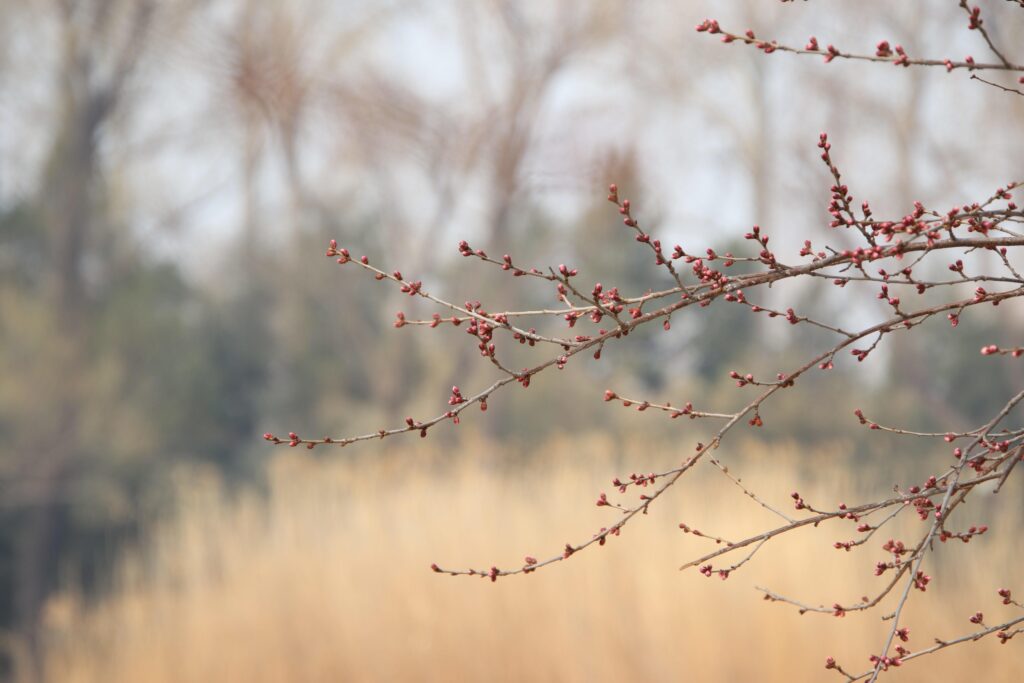
- When: Early February
- Significance: The official beginning of spring on the Jeolgi calendar, even if the air still feels frosty.
- The Food & Culture: Homes traditionally paste calligraphy scrolls reading “Ipchun Daegil” (Good fortune upon spring) on their gates. Tables are filled with fresh mountain herbs (Sannamul), welcoming vitality back to the body after a long winter.
2. Sambok (삼복) – Beating the Dog Days of Summer
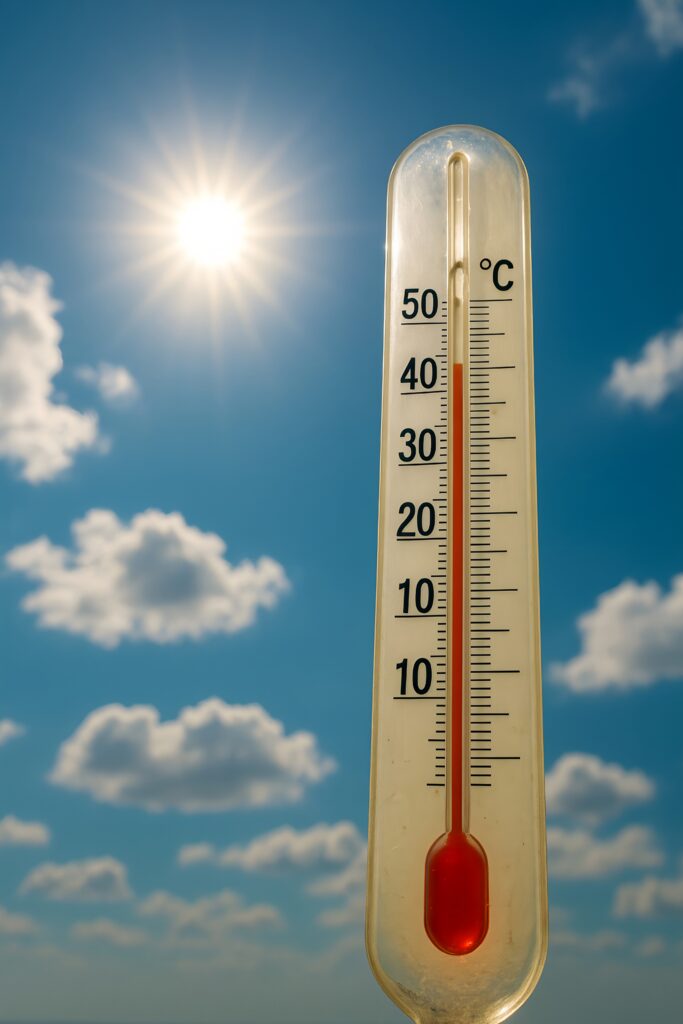
- When: Mid-July to Mid-August (Chobok, Jungbok, Malbok)
- Significance: The three hottest days of the year, known for extreme humidity.
- The Food & Culture: Koreans practice Iyeol-chiyeol—fighting heat with heat. Millions gather to eat steaming bowls of Samgyetang (Ginseng Chicken Soup) to restore stamina lost from sweating.
3. Chuseok & Chupun (추분) – The Golden Autumn Harvest
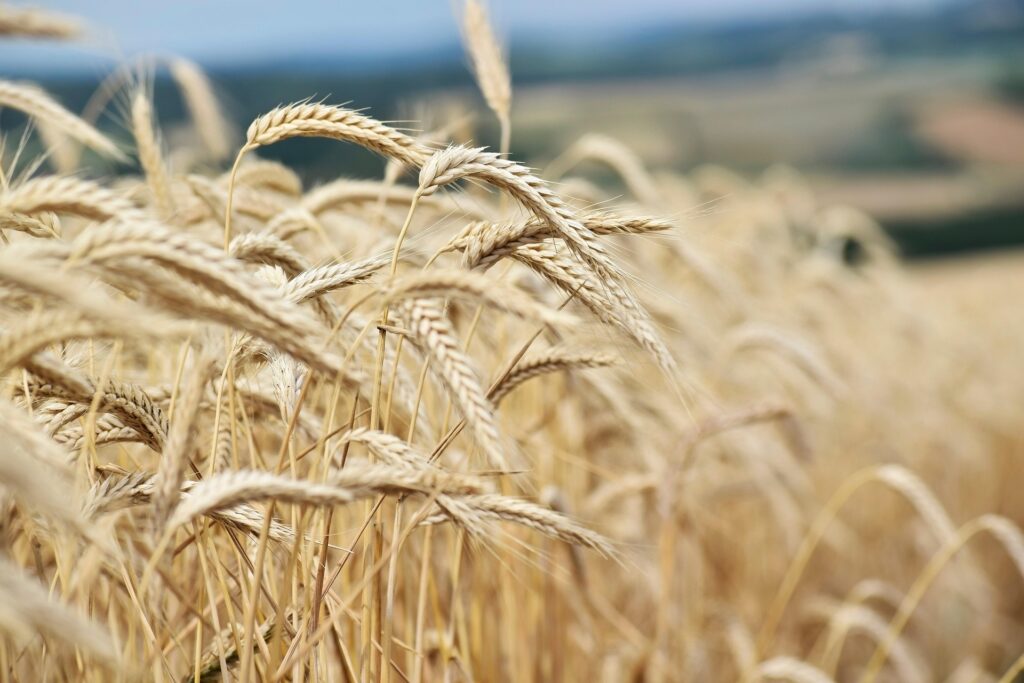
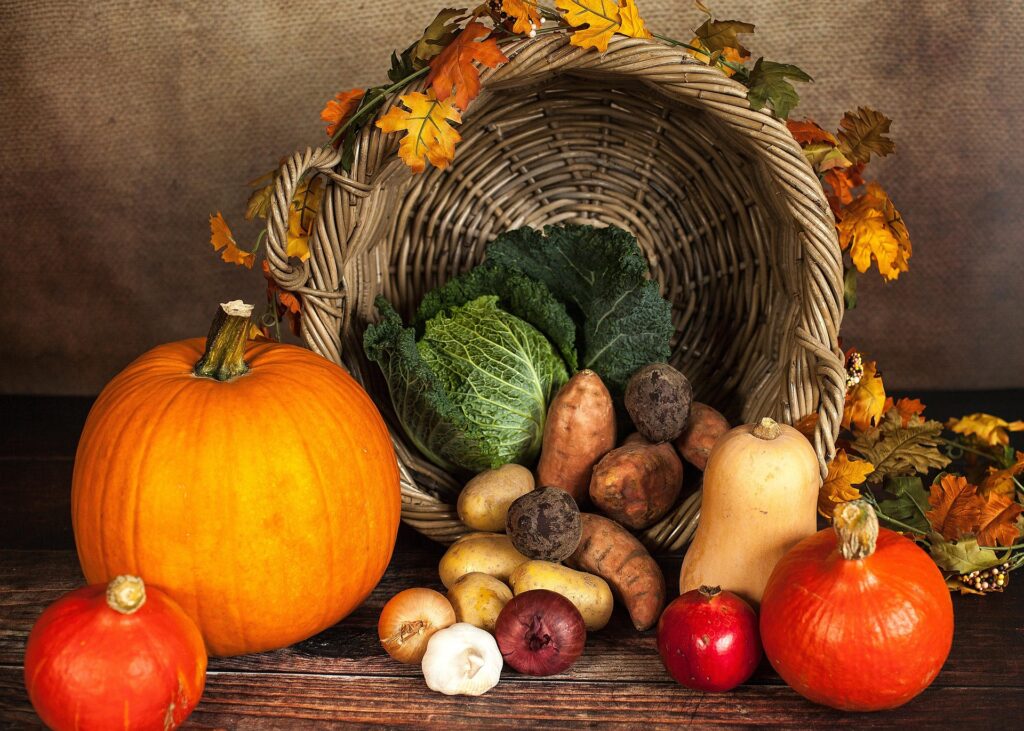
- When: Late September
- Significance: The autumn equinox, marking equal day and night, and the peak of the harvest season.
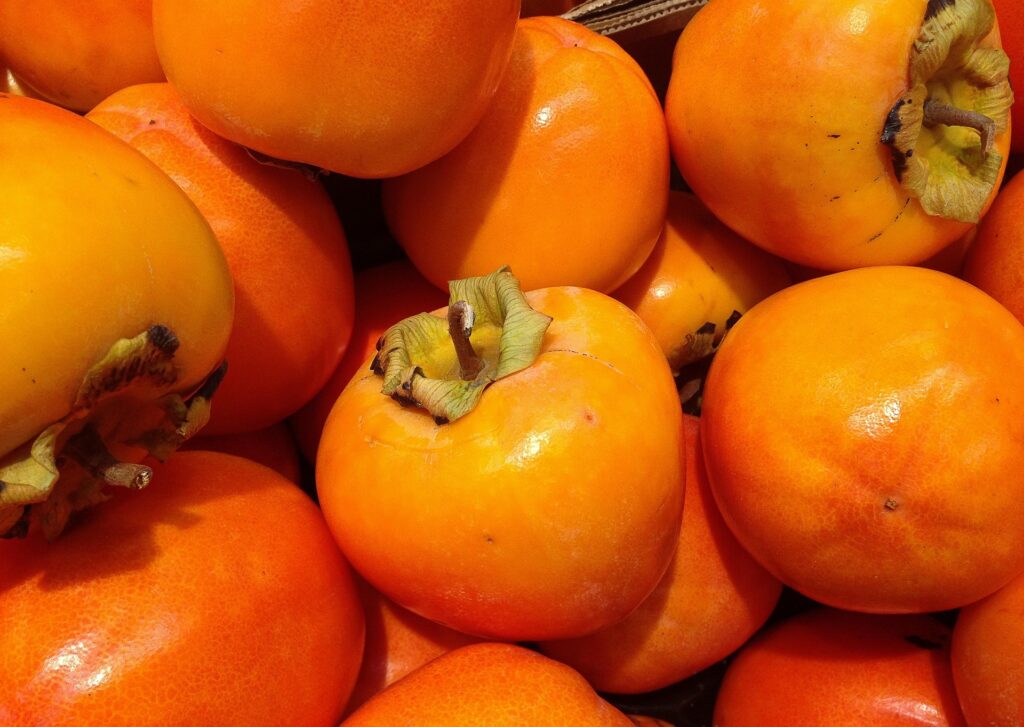
- The Food & Culture: Families gather to enjoy freshly harvested rice (Haep-ssal), sweet persimmons, and Songpyeon (half-moon-shaped rice cakes steamed over pine needles).
4. Dongji (동지) – The Longest Night and Warding Off Winter
- When: Late December
- Significance: The winter solstice, featuring the longest night of the year.
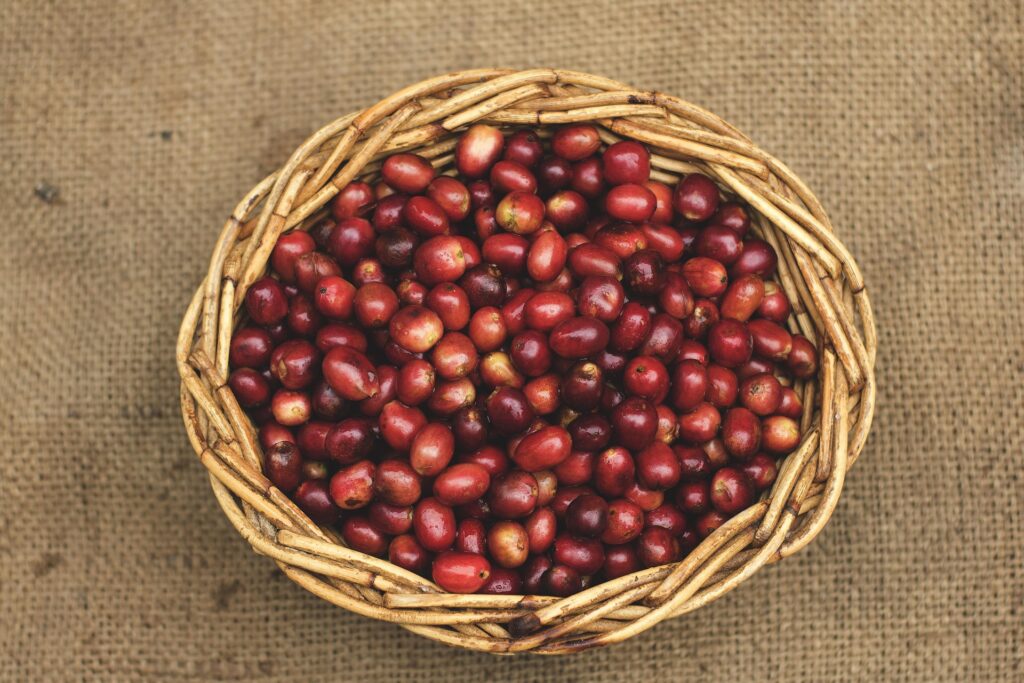
- The Food & Culture: According to tradition, dark spirits are active on this long night. To ward off bad luck, Koreans eat Patjuk (Red Bean Porridge) mixed with chewy rice cake balls (Saealsim), as the vibrant red color is believed to drive away negative energy.
How to Enjoy Jeolgi as a Visitor
When visiting Korea, aligning your culinary journey with Jeolgi is the ultimate way to experience authentic culture through changing Korea weather.
1. Summer Visits: Beat the Heat Like a Local
If you arrive during the peak of summer, cooling down with a bowl of cold noodles (Naengmyeon) is an absolute must. As you explore, you will quickly realize there are two main competing styles:
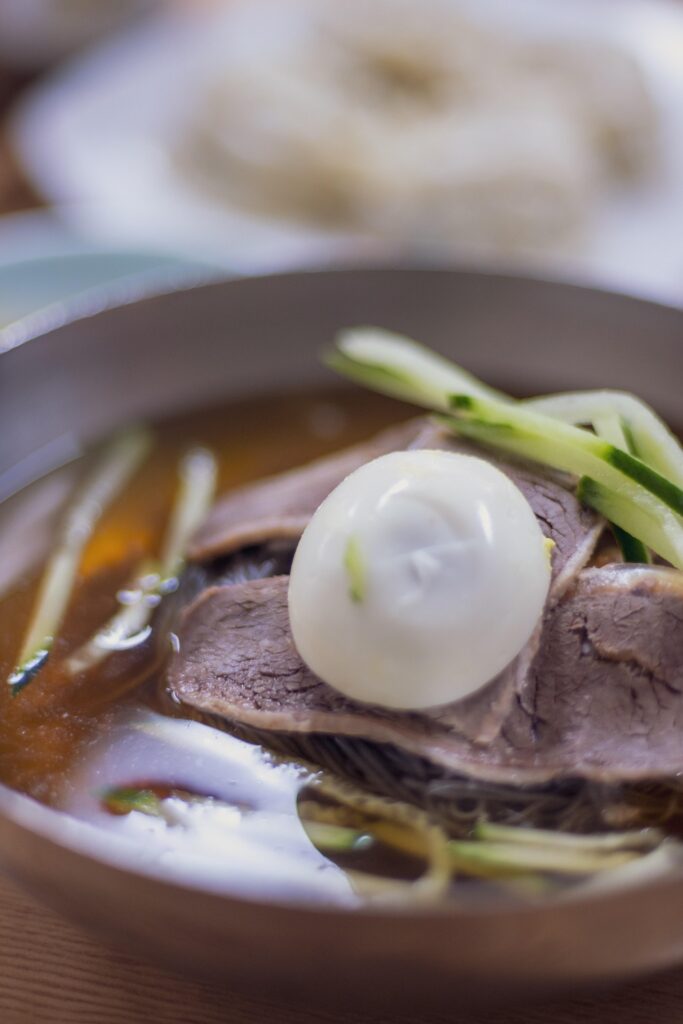
- Pyongyang Naengmyeon (평양냉면): Originating from the north, this features buckwheat noodles served in a chilled, subtle, and savory meat broth. Its taste is delicate and minimalist—often described as an acquired taste that becomes deeply addictive.
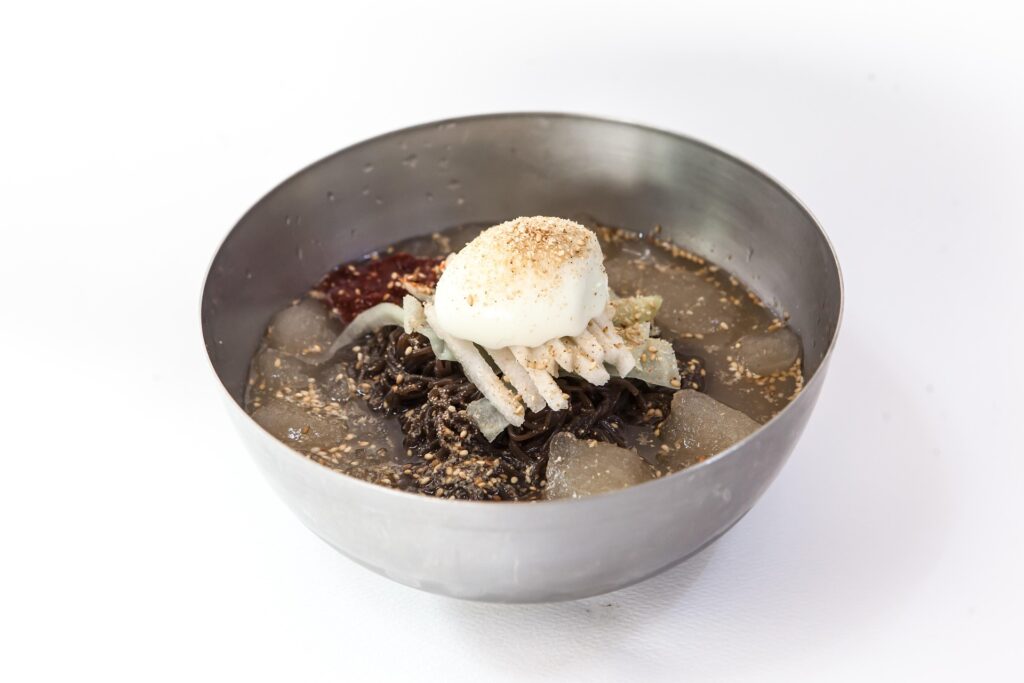
- Hamhung Naengmyeon (함흥냉면): Made with chewier potato or sweet potato starch noodles, this version is famously served Bibim-style—tossed in a sweet, spicy, and tangy red chili sauce, often topped with seasoned raw fish.
If your trip coincides with Sambok (the three hottest days of midsummer), do not miss out on Samgyetang (Ginseng Chicken Soup). Joining locals in a steaming restaurant for this nutrient-dense soup is the classic Korean ritual for restoring stamina.
2. Autumn Visits: Taste the Harvest Season
Visiting in the fall offers a feast for both the eyes and the palate. Look out for Songpyeon (half-moon rice cakes), traditionally eaten around the autumn equinox and Chuseok. This is also the best time to indulge in desserts made with sweet Korean persimmons (감)—ranging from chewy dried persimmons (Gotgam) to modern persimmon-infused shaved ice (Bingsu) and pastries at aesthetic cafes.
3. Winter Visits: Comfort Food for Cold Nights
During the cold spell around Dongji (Winter Solstice), embrace the local tradition of eating warm, velvety Patjuk (Red Bean Porridge). Pair it with freshly roasted sweet potatoes (Gungoguma) sold by street vendors for the ultimate cozy Korean winter experience.
The Timeless Wisdom of Jeolgi
Jeolgi is far more than an ancient calendar; it is a testament to the scientific wisdom of our ancestors, who learned to live in complete harmony with Korea weather. It taught people how to nurture their health through every natural transition.
In Korea, there is a famous traditional saying: “Seasonal food is the best medicine” (제철 음식은 보약이다). For generations, Koreans believed that eating traditional Korean food at its absolute peak—and aligning daily routines with the natural rhythm of Jeolgi—was the key to maintaining physical resilience throughout the year.
The vibrant Korean food and mindful lifestyle that people around the world love today didn’t happen by chance—it was quietly refined over centuries, one micro-season at a time.
So when you visit Korea, don’t just observe the Korea weather or enjoy the food. Listen to the secret calendar behind it, feel the gentle shift in the air, and taste the timeless wisdom of the seasons.
