When autumn arrives in Korea, the crisp air brings one of the nation’s most anticipated celebrations: Chuseok Korean Thanksgiving. Often referred to as “Korean Thanksgiving,” this vibrant festival is a time when families gather, feast, and express gratitude for a bountiful harvest under the bright mid-autumn full moon.
While it shares similarities with Western Thanksgiving—think grand family feasts and expressing thanks—Chuseok has a rich history filled with ancient traditions, half-moon shaped rice cakes, and deeply spiritual customs that make it uniquely Korean.
Whether you’re planning a trip to Korea or simply curious about world cultures, here is your ultimate guide to understanding Chuseok.
What is Chuseok Korean Thanksgiving? (The Roots of the Holiday)
If you ask Koreans to describe Chuseok in three simple words, they will likely choose: full moon, the harvest, and gratitude.
To truly understand Chuseok, we need to look back at Korea’s history as a farming society. Long ago, before modern technology and supermarkets existed, people depended entirely on nature for their food. Autumn was the most important season of the year because it was time to collect all the crops, fruits, and grains they had worked hard to grow since spring.
Here is why these three ideas make Chuseok so special:
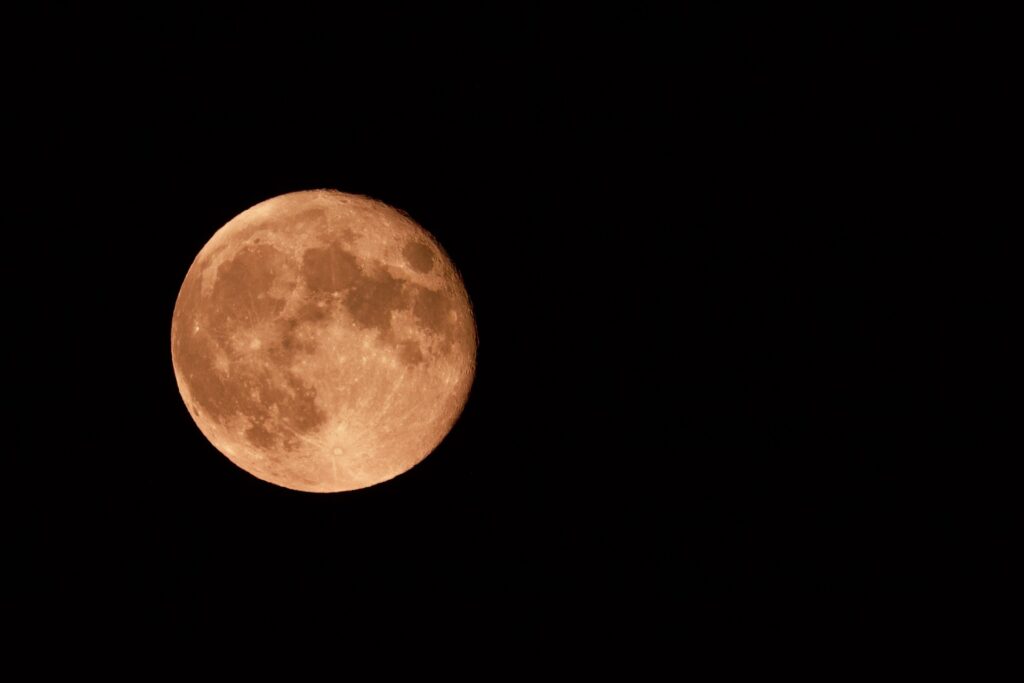
- The Bright Full Moon (달): Chuseok takes place on the 15th day of the 8th month in the lunar calendar. On this night, the full moon shines brighter and larger than at almost any other time of the year. In ancient Korea, darkness meant danger, but the bright full moon lit up the night sky. People saw the full moon as a symbol of peace, good luck, and abundance.
- The Autumn Harvest (수확): Chuseok is held right when the autumn crops are ready. Farmers finally harvested fresh new rice, juicy fruits, and fresh vegetables. After months of hard work under the hot summer sun, families finally had plenty of food to share. It was a time of pure joy because no one had to worry about going hungry.

- A Time for Gratitude (감사): With plenty of fresh food on the table, Koreans took time to say “thank you.” They thanked their ancestors for protecting the family and helping the crops grow. They also shared food with their neighbors and celebrated together. This spirit of sharing and saying thanks remains the heart of Chuseok today.
Even now, when most Koreans live in busy modern cities rather than on farms, the feeling of Chuseok stays the same. When families gather under the autumn night sky to look at the big full moon, they make wishes for health and happiness, carrying on a warm tradition that is thousands of years old.
3 Unique Traditions of Chuseok Korean Thanksgiving That Surprise Foreigners
For many visitors and expats in Korea, Chuseok is a fascinating time. While it shares the spirit of family gatherings like Thanksgiving in the West, the way Koreans celebrate is filled with unique cultural customs.
These are three traditional Chuseok customs that often surprise foreigners.
1. Charye (차례): A Feast for the Ancestors
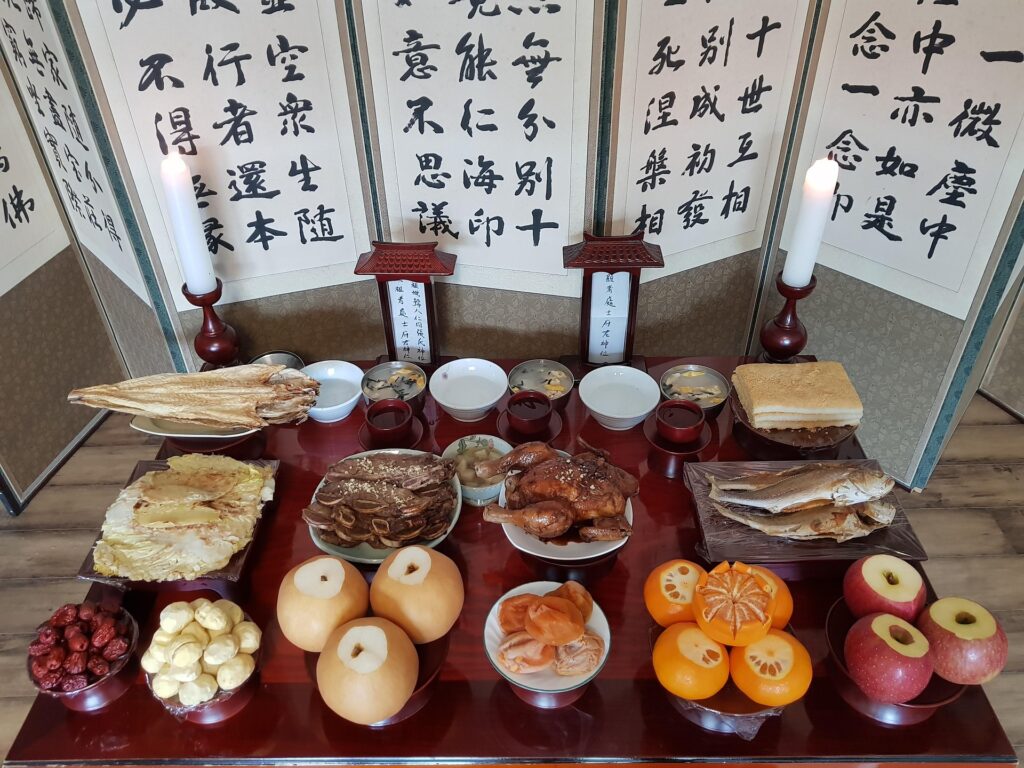
On the morning of Chuseok, Korean families wake up early to perform a special ceremony called Charye.
Instead of starting the day with a simple breakfast, the family prepares a giant feast to show gratitude to their ancestors. A large table is covered with fresh rice, fruits, meat, fish, and Songpyeon. Every dish has a specific place on the table according to traditional rules—for example, red fruits go on the east side, while white fruits go on the west.
During the ritual, family members bow deeply to the ground to honor their ancestors, offering food and Korean traditional liquor made with rice. Koreans believe that their ancestors visit during Chuseok to enjoy the meal and protect the family for the coming year. Once the ceremony is complete, the family sits together to eat the delicious food.
2. Seongmyo (성묘): Visiting Family Graves in Nature
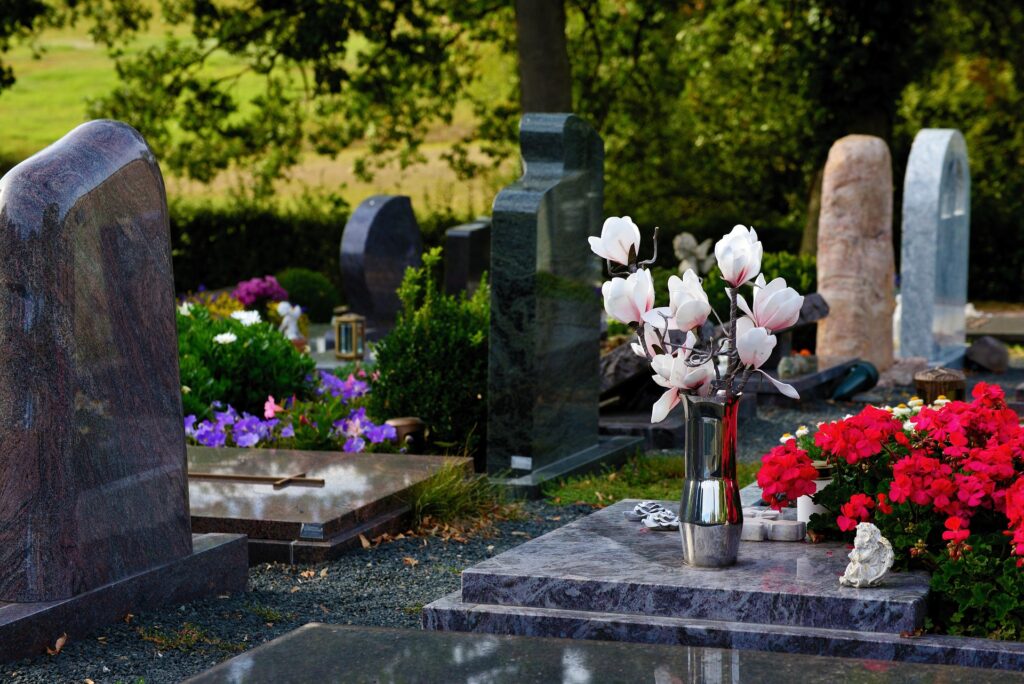
After the morning ceremony, many families travel to the countryside to visit the graves of their ancestors. This custom is called Seongmyo.
Families spend time clearing away weeds, wild grass, and fallen leaves around the grave mounds—a practice known as Beolcho (벌초). Afterwards, they pay their respects by offering a small food gift and bowing deeply once again.
To foreigners, spending a major holiday in a graveyard or out in nature might seem unusual. But for Koreans, it is a peaceful, respectful way to reconnect with their roots, honor family history, and spend time together outdoors in the crisp autumn air.
3. Ganggangsullae (강강술래): The Magical Full Moon Dance
Long ago, under the bright autumn full moon, women across Korean villages would gather in bright, beautiful Hanbok (traditional dresses). They held hands to form a large circle, sang traditional folk songs, and danced late into the night. This ancient dance is called Ganggangsullae.
The dance starts slowly and gradually gets faster and faster, filling the night with energy, laughter, and song.
Legend says that hundreds of years ago, during a war, Korean women performed Ganggangsullae around fires in the mountains. From far away, the enemy soldiers thought the giant circles of women were a massive army and retreated! Today, people don’t Ganggangsullae anymore, but this is still meaningful as a symbolic ritual of Chuseok in Korea. This dance is celebrated as a UNESCO Cultural Heritage item and remains a colorful symbol of unity, joy, and hope under the full moon.
Modern Chuseok: How Koreans Celebrate Today
While traditional rituals remain an important part of the holiday, life in modern Korea has added a few new twists to Chuseok!
From Highway Traffic Jams to Chuseok Vacations

In the past, almost everyone in Korea traveled back to their hometowns at the same time. This created massive, nationwide traffic jams known as the “Chuseok Migration” (Gwi-seong-gil). A drive that normally takes three hours could take eight hours or more!
Today, many young families choose to simplify traditional rituals. Some families choose “reverse migration,” where parents visit their children living in big cities like Seoul. Others take advantage of the long holiday period to travel abroad or relax at hotels for a peaceful staycation.
Whether staying home with traditional foods or traveling somewhere new, modern Chuseok is all about taking a well-deserved break with the people you love.
For anyone curious about my Chuseok plans this year, my family and I are off to Bangkok! Usually, we take a short trip to the countryside with my in-laws for national holidays like Seollal and Chuseok. This year is extra special, though, as we’re going overseas to celebrate both the holiday and our 10th wedding anniversary, which fall on the exact same day.
How You Can Experience Chuseok as a Foreigner
Chuseok is much more than just a day off from work or school. It is a warm, heart-filled holiday rooted in family, history, and gratitude for nature’s gifts.
If you are visiting or living in Korea during Chuseok, here are a few fun ways you can join in the celebration:
- Try Songpyeon: Visit a local traditional market or bakery to taste fresh, soft Songpyeon. Remember the story of the half-moon and make your own wish!
- Visit Palaces and Cultural Landmarks: Major spots like Gyeongbokgung Palace in Seoul often host special Chuseok events, offering traditional games, performances, and free entry for visitors wearing Hanbok.
- Look at the Full Moon: On Chuseok night, step outside, gaze up at the bright full moon, and wish for good health and happiness for the year ahead.
Happy Chuseok! (즐거운 추석 보내세요!)
